Your roof plays a critical role in protecting your home from the elements, influencing energy efficiency, curb appeal, and long-term property value. If you’re building a new home or replacing an existing roof, you’re likely weighing the pros and cons of two common options: asphalt shingles or a metal roof. Each material has distinct advantages and potential drawbacks depending on your climate, budget, and long-term goals.
Let’s break down the key differences to help you decide which roofing material is right for you.
Durability and Longevity
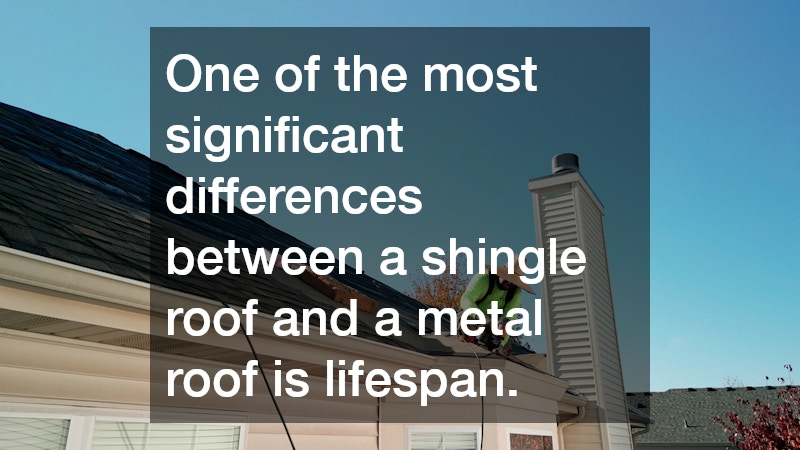
One of the most significant differences between a shingle roof and a metal roof is lifespan. Asphalt shingles typically last 15 to 30 years, depending on the quality, weather conditions, and maintenance. While they’re affordable and effective in most climates, shingles are prone to damage from high winds, hail, and UV exposure over time.
In contrast, a metal roof can last 40 to 70 years or more. Metal is resistant to rot, insects, mildew, and fire, making it an extremely durable choice. For homeowners looking to make a one-time investment with minimal long-term maintenance, metal is the clear winner. That said, the initial cost is usually higher than asphalt, so it’s essential to consider the long game when making your decision.
Energy Efficiency and Climate Considerations
Your local climate plays a big role in determining which roofing material is best for your home. A metal roof reflects solar radiant heat, reducing cooling costs by 10% to 25%, especially in warmer climates. Metal roofs are also compatible with solar panel systems and can handle heavy snow loads with ease thanks to their slick surface that sheds precipitation more effectively.
Shingles, while less reflective, do offer solid performance in moderate climates and can be made with additives to help resist algae in humid environments. However, in extremely hot or storm-prone regions, shingles may degrade faster and require more frequent repairs.
Cost and Installation
If budget is your primary concern, asphalt shingles are usually more affordable up front. They cost less per square foot and are widely available, making them the go-to option for many homeowners on a tight timeline or budget. Installation is quicker, and most roofing contractors are experienced with the process, which helps control labor costs.
A metal roof, on the other hand, requires specialized knowledge and skills for proper installation. The materials are more expensive, and labor costs tend to be higher. However, because metal lasts longer and requires fewer repairs over time, it can be more cost-effective when viewed as a long-term investment.
Appearance and Design Options
Shingles come in a wide variety of colors and styles, including three-tab, architectural, and designer options that mimic the look of slate or wood shake. They’re easy to match with most exterior styles and are widely accepted by homeowner associations and building codes.
Meanwhile, metal roof options have evolved significantly. Today, metal roofing is available in standing seam panels, corrugated designs, and even textured options that resemble traditional shingles. Colors range from natural metals like copper and zinc to bold, baked-on finishes that resist fading. A metal roof can add a sleek, modern look to your home or provide a rustic, farmhouse feel depending on your chosen style.
If aesthetics are important, both materials offer attractive options, but metal may provide a more unique or high-end appearance.
Maintenance and Repairs
Shingle roofs are generally easier to repair. If you lose a few shingles during a storm, a roofing contractor can quickly replace them. However, shingle roofs are more prone to damage and may require more frequent inspections to ensure their integrity.
A metal roof requires less routine maintenance and is less susceptible to weather-related damage. However, if a section becomes damaged, repairs may be more complex and costly depending on the roofing system used. It’s important to hire an experienced professional to ensure proper installation and maintenance.
Environmental Impact
For eco-conscious homeowners, a metal roof offers significant sustainability benefits. Most metal roofing is made from recycled materials and can be recycled again at the end of its life. It also contributes to energy efficiency by reflecting heat and reducing your home’s carbon footprint.
In contrast, asphalt shingles are petroleum-based and often end up in landfills. Some manufacturers are exploring recycling programs for old shingles, but the infrastructure is still limited in many areas. If sustainability is a top priority, metal may be the better choice.
Insurance and Home Value Considerations
Because of its durability and fire resistance, a metal roof can sometimes lead to lower homeowners insurance premiums. Additionally, it may boost your property’s resale value, as many buyers appreciate the long lifespan and modern look of metal roofing.
Shingles, while popular and reliable, may not offer the same long-term resale benefits. However, a well-maintained shingle roof still adds curb appeal and functionality to your home.
Choosing between a shingle and metal roof ultimately comes down to your budget, priorities, and long-term plans. If you’re looking for an affordable solution with flexible design options and quick installation, shingles may be the right fit. On the other hand, if you want a long-lasting, low-maintenance roof with better energy efficiency and resale value, metal is a smart investment.
Take time to evaluate your climate, desired aesthetic, and available budget. Speak with local roofing professionals to get estimates and insights into how each option performs in your area. Whether you go with traditional shingles or invest in a modern metal roof, making an informed choice ensures your home stays protected and beautiful for years to come.