A home is more than a collection of separate systems. The roof, plumbing, and HVAC equipment all work together to protect the structure, regulate comfort, and prevent damage. When one part begins to fail, it rarely stays isolated. Small issues can travel through the home in unexpected ways, leading to expensive repairs and long-term problems.
Understanding how these systems connect helps homeowners take a smarter approach to upkeep. Instead of reacting to emergencies, they can stay ahead of issues and protect their investment over time. This approach is especially important in climates that experience seasonal changes, where temperature swings and moisture levels can place added stress on every part of the home.
Homeowners who take the time to understand these relationships often notice patterns that others miss. For example, a spike in energy bills might not be caused by the HVAC system alone. It could be tied to poor insulation from a roofing issue or excess humidity from a hidden leak. Looking at the home as a whole makes it easier to identify the real source of problems and resolve them efficiently. This kind of awareness also helps homeowners communicate more effectively with service professionals when concerns arise. It encourages them to think proactively rather than waiting for a crisis to occur.
How the Roof Impacts Everything Below It
The roof is the first line of defense against the elements. It shields the home from rain, wind, and temperature extremes. When it is in good condition, everything beneath it benefits. When it is not, problems tend to spread quickly.
Even a minor issue can allow moisture to enter the home. Over time, that moisture can move into insulation, walls, and ceilings. This is why timely roof leak repair is so important. A small leak may not seem urgent at first, but it can lead to structural damage, reduced energy efficiency, and unhealthy indoor conditions.
In some cases, patching a problem is not enough. Aging materials, repeated damage, or widespread wear may require a full roof replacement. While it is a larger investment upfront, replacing the roof can restore the home’s protective barrier and prevent ongoing issues that affect other systems.
Roofs also play a role in ventilation. Poor airflow in attic spaces can trap heat and moisture, accelerating wear on roofing materials while also affecting indoor temperatures. When ventilation is improved, the entire home benefits from more consistent conditions and reduced strain on heating and cooling systems.
Another factor to consider is material choice. Different roofing materials respond to weather conditions in unique ways. Some provide better insulation, while others offer improved durability against wind or hail. Choosing the right material during installation or replacement can have a lasting impact on how well the entire home performs over time. Proper installation techniques also play a role in preventing premature wear and ensuring that the roof functions as intended for decades.
Plumbing Problems Often Start at the Top
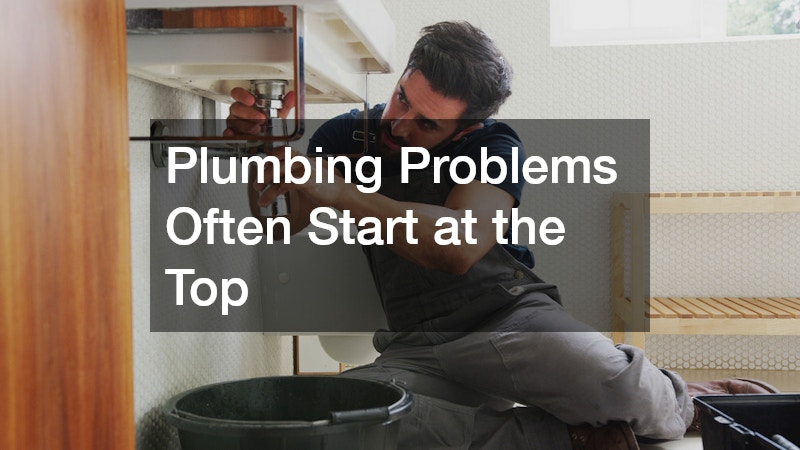
It is easy to assume that plumbing issues originate from pipes and fixtures. However, water intrusion from above can create symptoms that look like plumbing failures. Stains on ceilings, warped drywall, and unexplained moisture may lead homeowners to call plumbers, only to discover that the root cause is actually the roof.
Once water enters the home, it can travel along beams and surfaces before becoming visible. This makes it difficult to pinpoint the source without a thorough inspection. Addressing the issue at its origin prevents repeated repairs and unnecessary expenses.
At the same time, proper drainage plays a major role in protecting the home. Clogged or poorly maintained systems can cause water to back up and collect where it should not. Regular drain cleaning helps ensure that water flows away efficiently, reducing the risk of overflow and internal damage.
Plumbing systems also depend on consistent water pressure and proper pipe insulation. When moisture from outside sources interferes with these conditions, pipes may corrode or weaken over time. Preventative care helps reduce these risks and keeps the system functioning reliably.
It is also worth noting that plumbing fixtures and appliances can be affected by water quality. Hard water, sediment, and mineral buildup can reduce efficiency and lead to wear. When combined with moisture issues from other parts of the home, these factors can accelerate damage and increase maintenance needs over time. Proper filtration systems and periodic inspections can help prevent these problems before they affect functionality.
Moisture, Mold, and the Need for Fast Action
Moisture is one of the most damaging forces a home can face. It does not take much for mold to begin growing, especially in dark or humid areas. Once it starts, it can spread quickly and affect both the structure and indoor air quality.
This is where mold remediation becomes essential. Removing visible growth is only part of the process. Professionals also address the underlying moisture problem to prevent it from returning. Without that step, mold is likely to reappear.
In more difficult situations, water intrusion can affect large areas of the home. Flooding, leaks, or prolonged exposure may require water mitigation to dry and restore affected materials. Acting quickly is key. The longer moisture remains, the greater the damage becomes.
Humidity control is another important factor. Even without visible leaks, high indoor humidity can create an environment where mold thrives. Dehumidifiers, proper ventilation, and regular inspections all help maintain a healthier indoor space.
Moisture can also affect materials in subtle ways. Wood may warp, insulation may lose effectiveness, and drywall can weaken over time. These changes may not be immediately visible, but they can compromise the integrity of the home if left unaddressed for extended periods. Taking proactive steps to manage moisture can save thousands in future repairs and improve overall indoor comfort.
HVAC Systems Depend on a Stable Environment
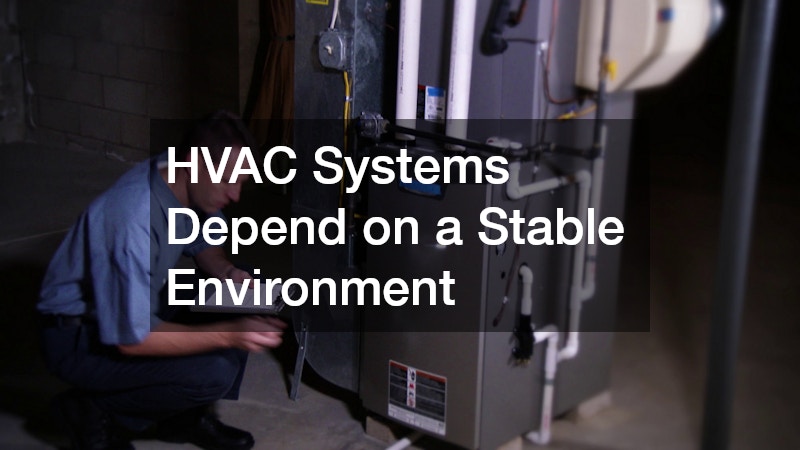
Heating and cooling systems are designed to operate within a controlled environment. When that balance is disrupted, performance can suffer. Excess moisture, poor insulation, or air leaks can all make it harder to maintain comfortable temperatures.
Routine AC maintenance helps keep cooling systems running efficiently, especially during warmer months. When the system does not have to work as hard to regulate indoor temperatures, it uses less energy and experiences less wear.
During colder seasons, furnace repairs may become necessary if the system struggles to keep up. Issues such as uneven heating or frequent cycling can sometimes be traced back to larger problems within the home, including insulation gaps or moisture-related damage.
Air quality is also closely tied to HVAC performance. Dust, debris, and moisture can accumulate in ducts and filters, reducing efficiency and affecting the air that circulates throughout the home. Regular cleaning and maintenance improve both comfort and system longevity.
Proper system sizing is another important consideration. An HVAC system that is too large or too small for the home can struggle to maintain consistent temperatures. This can lead to uneven comfort levels and increased wear on components over time, especially during peak seasons. Homeowners should also consider upgrading older systems to improve energy efficiency and overall reliability.
Gutters: The Overlooked Connection Point
Gutters may not receive as much attention as other parts of the home, but they play a critical role in managing water. They direct rainwater away from the roof and foundation, helping to prevent damage.
When gutters are clogged or damaged, water can overflow and seep into areas where it does not belong. This can lead to issues with siding, insulation, and even the interior of the home. Installing new gutters or maintaining existing ones ensures that water is properly diverted.
Downspouts should also be positioned to carry water far enough away from the foundation. If water pools near the base of the home, it can seep into basements or crawl spaces, increasing the risk of moisture problems and structural concerns.
Seasonal cleaning is a simple but effective way to keep gutters functioning properly. Removing leaves and debris allows water to flow freely and reduces the likelihood of overflow during heavy rain.
Gutter guards and other protective systems can also help minimize buildup. While they do not eliminate maintenance entirely, they can reduce the frequency of cleaning and improve overall performance for homeowners. Gutters work together with the roof and foundation to create a coordinated system for protecting the home from water-related issues.
Electrical Systems Are Not Immune to Moisture
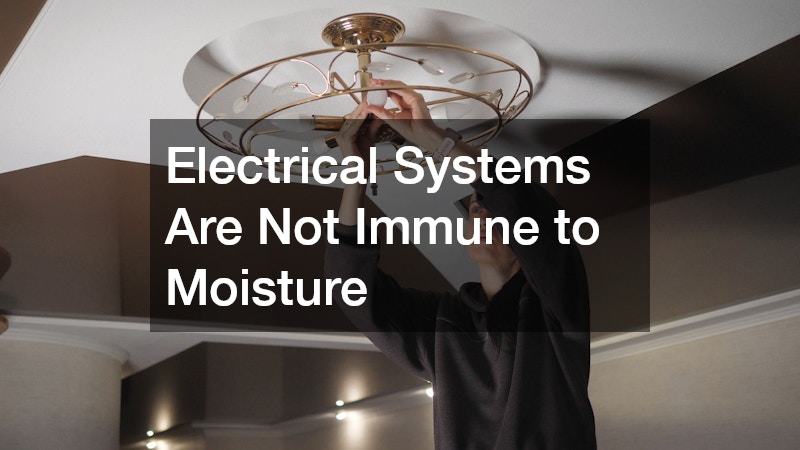
Water and electricity are a dangerous combination. When moisture enters areas that house electrical components, it can create serious safety risks. Corrosion, short circuits, and even fire hazards can result from prolonged exposure.
An experienced electrician can identify signs of water-related damage and ensure that systems are functioning safely. This may include inspecting wiring, outlets, and panels for signs of wear or moisture intrusion.
Preventative measures, such as sealing entry points and maintaining proper drainage, help reduce the chances of water reaching sensitive electrical components. Regular inspections provide added peace of mind and help catch issues before they become hazardous.
Modern homes often rely on a wide range of electrical systems, from lighting and appliances to smart home technology. Protecting these systems from moisture helps ensure that everything continues to function as intended without unexpected disruptions. Awareness of the home’s overall condition contributes to the safety and reliability of all electrical equipment.
The Ripple Effect of Neglect
When one system is ignored, it often creates a chain reaction. A small roof leak can lead to moisture buildup. That moisture can affect insulation, encourage mold growth, and strain HVAC systems. Over time, the problem expands and becomes more costly to fix.
Similarly, clogged drains or poor drainage can contribute to water buildup around the home. This can impact the foundation, increase humidity levels, and create conditions that affect both structural integrity and indoor comfort.
Neglect can also shorten the lifespan of key systems. Equipment that is forced to work harder due to underlying issues will wear out more quickly, leading to more frequent repairs and higher replacement costs.
In many cases, homeowners do not realize how connected these problems are until significant damage has already occurred. By then, repairs are more complex and more expensive than they would have been with early intervention and routine upkeep. Taking the time to understand the interactions between systems allows homeowners to make better decisions and save money over the long term.
Building a Preventive Maintenance Routine
A consistent maintenance plan is one of the most effective ways to protect a home. Regular inspections and timely repairs can catch issues early, before they escalate.
This includes checking the roof for signs of wear, ensuring that gutters are clear, and monitoring indoor conditions for changes in humidity or temperature. Scheduling routine service for plumbing and HVAC systems also plays a key role.
Homeowners may also benefit from keeping a maintenance calendar. Tracking service dates, inspections, and repairs helps ensure that nothing is overlooked. It also provides a record that can be useful for future planning or when selling the home.
Partnering with experienced professionals can make a significant difference. Experts can identify subtle warning signs that might be missed during a basic inspection, helping homeowners stay one step ahead of potential issues before they grow. Combining regular inspections with proactive repairs helps create a coordinated plan for maintaining a healthy, functional home.
Why Whole-Home Maintenance Pays Off
Taking a connected approach to home maintenance offers several benefits. It reduces the risk of unexpected repairs, improves energy efficiency, and helps maintain a comfortable living environment.
It also protects the value of the property. A well-maintained home is more attractive to potential buyers and less likely to encounter issues during inspections. This can make a significant difference when it comes time to sell.
Energy savings are another advantage. When systems operate efficiently, they use less power, which can lead to lower utility bills over time. These savings can add up and offset the cost of regular maintenance.
There is also a long-term benefit in terms of durability. Homes that receive consistent care tend to last longer and require fewer major upgrades. This stability makes homeownership more predictable and less stressful for many households. Healthy systems also mean fewer interruptions to daily life, providing a more comfortable and reliable living environment.
A Smarter Way to Care for Your Home
Whole-home maintenance is not about doing more work. It is about working smarter. By understanding how the roof, plumbing, and HVAC systems interact, homeowners can make better decisions and avoid unnecessary stress.
Small steps, taken consistently, can prevent major problems down the line. Addressing issues early, staying on top of routine care, and recognizing the connections between systems all contribute to a healthier, more resilient home.
In the end, it is not just about fixing what is broken. It is about creating a system that works together, protecting the home from top to bottom for years to come while supporting comfort, safety, and long-term value. A well-maintained home is not only more efficient but also a safer and more enjoyable place to live.