
You have picked out the perfect paint color, found a sofa you love, and pinned dozens of ideas for your dream room. But if you overlook the floor beneath it all, the whole design can fall flat. Flooring anchors every other decision in a space, from how light bounces around the room to how furniture and color choices actually read once installed. Before you commit to another accent wall or throw pillow, it is worth understanding why the ground beneath your feet deserves just as much attention as the walls around you.

How Flooring Sets the Tone for Everything Else in the Room
Flooring is the largest continuous surface in most rooms, which means it has an outsized visual impact compared to almost any other design element. A busy patterned rug or a bold floor color can either ground a room or fight with everything else you have chosen. Designers often start a room plan with flooring precisely because it is the hardest and most expensive element to change later, so getting it right first prevents costly do-overs.
Think of your floor as the neutral or statement base that everything else builds on top of. If you change your mind about throw pillows next year, that is a quick fix. If you change your mind about your floor, you are looking at weeks of disruption and a much bigger budget, so early decisions matter more here than almost anywhere else in the room.
Matching Material Choices to Room Function and Traffic
Not every room needs the same type of flooring, and matching material to function is one of the most overlooked steps in a makeover. A mudroom or kitchen sees spills, dirt, and heavy foot traffic, while a bedroom or home office deals with far less wear. Choosing a material suited to how the room is actually used will save you money and frustration down the road.
- High-traffic areas like entryways benefit from durable, water-resistant surfaces
- Bedrooms and quiet spaces can handle softer, less rugged materials
- Basements need moisture-resistant options due to humidity and potential flooding
- Kids’ playrooms benefit from forgiving, easy-to-clean surfaces
- Home offices do well with materials that dampen sound and reduce echo
Weighing the Comfort and Warmth of Wall-to-Wall Carpet
Carpet remains a popular choice for bedrooms, living rooms, and family spaces because of the comfort and warmth it adds underfoot. Beyond softness, carpet also absorbs sound, which makes it a smart pick for upper floors or rooms where noise travels easily. Professional carpet installation ensures the padding underneath is right for the space and that seams are placed in low-visibility areas, which affects both durability and appearance.
The texture and pile height of carpet also influence how a room feels day to day. A plush, high pile carpet feels luxurious in a formal living room but can be harder to maintain in a space with pets or kids. Lower pile options tend to hold up better over time and are easier to vacuum, which is worth considering before you fall in love with a sample in the showroom.

Understanding the Lasting Value of Solid and Engineered Wood
Hardwood floors are often described as a timeless investment, and for good reason. They tend to increase home value, work with virtually any design style, and can be refinished multiple times over their lifespan rather than replaced. Working with experienced hardwood flooring installers matters here because subfloor prep, acclimation of the wood, and proper nailing or gluing techniques all affect how long the floor lasts and how it looks in five or ten years.
One common misconception is that solid hardwood is always the better choice over engineered wood. In reality, engineered wood often performs better in basements or homes with fluctuating humidity because of its layered construction, which resists warping. The right choice really depends on your home’s conditions, your budget, and how long you plan to stay in the house.
Comparing Waterproof Vinyl Options for Busy Households
For households with pets, kids, or anyone who wants a low-maintenance floor that still looks upscale, vinyl has become a serious contender. Visiting a vinyl flooring store in person lets you see and feel the difference between styles, since photos online rarely capture texture or sheen accurately. Many modern options mimic wood grain or stone so convincingly that guests often cannot tell the difference until they touch the surface.
Within the vinyl category, LVP flooring has become especially popular because it combines a realistic wood look with genuine water resistance and durability. It typically clicks together in planks, making it a practical option for kitchens, bathrooms, and basements where moisture is a concern. Because it stands up well to spills and heavy foot traffic, it has become a go-to recommendation for busy families who still want their home to look polished.
Deciding Between Laminate and Other Budget-Friendly Materials
Laminate flooring offers an appealing middle ground for homeowners who want the look of wood or stone without the higher price tag of the real material. It is made from layered composite wood topped with a photographic image layer and a protective coating, which allows manufacturers to replicate almost any pattern or finish. A good laminate flooring store will carry samples with varying thickness and water resistance ratings, which matter more than most shoppers realize when comparing options.
- Thicker laminate generally feels more solid underfoot and muffles sound better
- Water-resistant cores are worth the upgrade for kitchens or laundry rooms
- AC ratings indicate how well laminate resists scratches and wear
- Wide plank styles can make small rooms feel more spacious
- Matte finishes tend to hide scratches better than glossy ones
Coordinating Flooring Tone With Wall Color and Trim
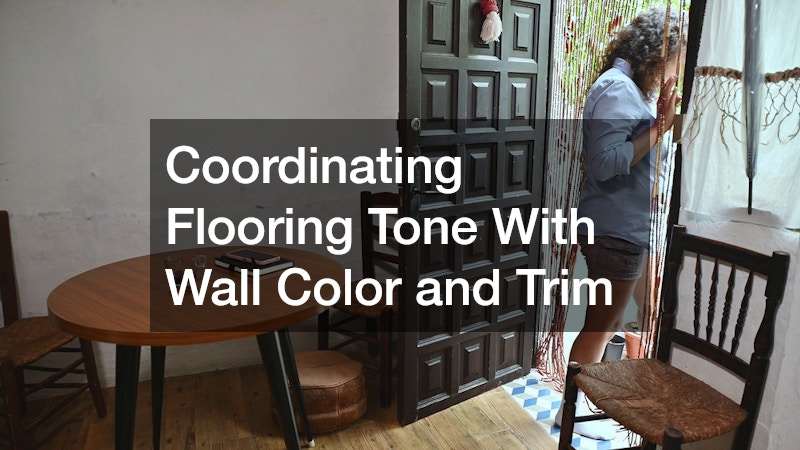
Once flooring is chosen, wall color needs to complement rather than compete with it. Warm-toned wood or vinyl pairs beautifully with soft neutrals, muted greens, and warm whites, while cooler gray-toned flooring often looks best with crisp whites or blue-based grays on the walls. This is a step many homeowners skip, choosing paint first and flooring second, which can lead to a room that feels mismatched no matter how nice each element is individually.
Bringing in a sample board that includes your flooring swatch alongside paint chips before committing to either one can prevent a lot of buyer’s remorse. Natural light changes how both surfaces look throughout the day, so it helps to view samples in the room itself rather than under store lighting. Taking this extra step early on saves time and money compared to repainting later because the colors clashed.
Choosing Wallcoverings and Accent Walls That Complement Your Floor
Beyond paint, textured wallpaper and decorative wall treatments are having a real resurgence, and they need to be considered alongside flooring rather than as an afterthought. A bold living room wallcovering with pattern or texture can make a big style statement, but it needs a floor that is visually quieter so the two elements do not compete for attention. Think of it as a simple visual budget: a room only has so much “busyness” it can support before it starts to feel chaotic instead of curated.
If your flooring already has strong grain patterns or a busy texture, a simpler, more subdued wall treatment usually works better. Wide-plank hardwood with dramatic knots and color variation, heavily veined stone tile, or a patterned encaustic tile floor all count as high-impact statements in their own right. Pair any of these with a grasscloth wallcovering in a solid tone, a subtle tone-on-tone damask, or a matte painted accent wall rather than a busy floral or geometric print.
On the flip side, quiet flooring gives you room to be bolder overhead. Solid-color carpet, plain-sawn oak in a single consistent stain, polished concrete, or large-format tile with minimal veining all recede visually, freeing up the walls to carry the room’s personality. This is where a dramatic botanical print, a metallic-finish grasscloth, or a richly textured accent wall can really shine without fighting the floor for attention.
Scale matters just as much as pattern intensity. A large-scale wallcovering print paired with narrow-plank flooring can look disjointed, while matching the general scale of wall and floor patterns tends to feel more cohesive. As a rule of thumb, pick one surface — floor or wall — to be the star, and let the other play a supporting role in a calmer color or texture.
Scale of pattern matters too, and it’s one of the easiest things to get wrong. Large-scale wallpaper patterns, like oversized florals or bold geometric prints, pair well with solid, simple flooring such as a plain oak or a neutral tile, since the floor gives your eye a place to rest. Smaller, subtler wallcoverings, like fine stripes, textured grasscloth, or muted damask prints, can work alongside more textured or patterned floors, like herringbone wood or veined stone, without the room feeling too busy.
Color undertones deserve equal attention. A floor with warm honey or amber tones will clash with a wallcovering that leans heavily cool or gray, even if both colors seem neutral on their own. Holding samples together in the actual room, rather than under store lighting, helps reveal these undertones before you commit.
Bringing home a physical wallcovering sample and laying it flat near your flooring sample, rather than just picturing it in your head, gives a much more accurate sense of how they will look together. Check the pairing at different times of day, since natural light in the morning and artificial light at night can shift how both colors and patterns read. If you’re considering an accent wall, test the sample on the specific wall you’re targeting, since its size and light exposure will affect the final impression far more than a small swatch ever could.
Hiring the Right Professionals for Painting and Flooring Projects
A room makeover often involves more than one type of contractor, and coordinating between them can make or break the final result. An interior house painting company can advise on finishes and sheens that hold up well near new flooring, since certain paint finishes show scuffs from moving furniture more than others. Many homeowners find it helpful to schedule painting before flooring installation to avoid drips or splatter damaging a brand new floor.
Similarly, interior residential painters often have valuable input on how light interacts with both wall color and flooring throughout the day, since they work in dozens of homes with different lighting conditions. Asking an interior house painting company for a detailed project timeline also helps you plan ahead, since painting schedules need to be coordinated with flooring delivery and installation dates to avoid unnecessary delays.

Planning Your Installation Timeline to Avoid Costly Mistakes
The order in which work happens during a room makeover has a real impact on the final quality and cost of the project. A knowledgeable flooring contractor will typically recommend finishing major wall work, including painting and any wallcovering installation, before laying down new floors to avoid damage from ladders, drop cloths, or dripped paint. Scheduling local painting contractors early in the timeline, and confirming they are done well before flooring installation begins, helps keep the whole project on track. Skipping this planning step is one of the most common reasons homeowners end up with scuffed baseboards or floor protection issues partway through a project.
- Schedule painting and wallcovering work before flooring installation begins
- Allow flooring materials to acclimate to the room’s humidity and temperature first
- Confirm furniture removal and storage plans before installation day
- Ask about subfloor inspection, since hidden issues can delay a project
- Build in a buffer of extra days in case materials are delayed
Your floor is not just a practical surface to walk on; it is the foundation that every color, texture, and design choice in the room has to work around. Taking time to research materials, compare samples in person, and hire experienced professionals will pay off in a space that feels cohesive rather than thrown together. Before you finalize another paint color or piece of furniture, make sure your flooring decision has the attention it deserves, since it truly can make or break your room makeover.