Buying a property that already has a large open-span building on it can feel like a shortcut to your goals, whether you need space for equipment, livestock, inventory, or a workshop. But a structure that looks impressive from the outside can hide costly surprises underneath its surface. Before you sign anything, you need to understand how the building was engineered, permitted, and maintained. Asking the right questions upfront can save you thousands of dollars and months of frustration down the road.
Verify the Foundation and Structural Engineering
The foundation is the single most important factor in determining whether a building will serve you well for decades or become a liability. Ask the seller for original engineering plans, soil reports, and any structural inspections that have been done since construction. A foundation that was poured without accounting for local soil conditions or frost lines can lead to cracking, shifting, or uneven settling over time. If documentation is missing, it is worth hiring an independent structural engineer to evaluate the slab or footings before closing.
You should also ask whether the building was designed to carry its intended load, including snow, wind, and any equipment or storage weight you plan to add. Many large open-span buildings rely on engineered trusses or rigid frames that distribute weight without interior columns, so any modification to the roofline or walls could compromise that balance. Find out if any additions or alterations were made after the original construction and whether they were properly engineered and inspected.
- Request the original structural engineering stamp and calculations
- Ask about soil testing or geotechnical reports for the site
- Confirm whether the slab has a vapor barrier and proper drainage
- Check for visible cracks, settling, or water stains near the base
Confirm Permits and Local Zoning Compliance
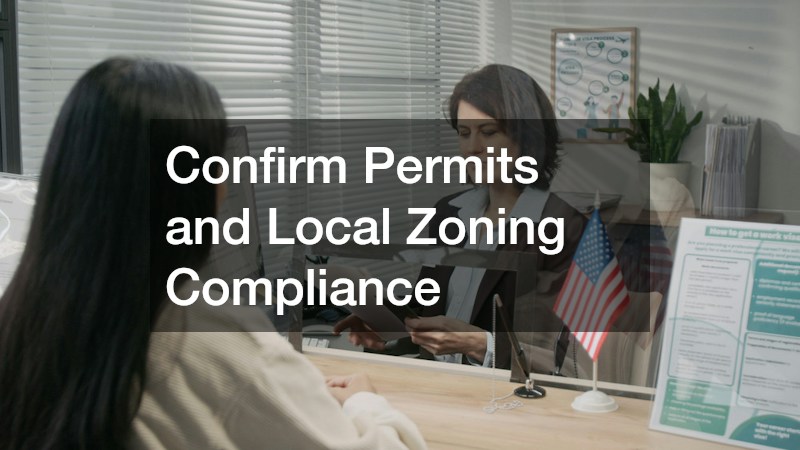
A building that was never properly permitted can create major headaches for a new owner, including fines, forced modifications, or even demolition orders. Ask the seller to provide copies of the original building permit, certificate of occupancy, and any inspection records tied to the structure. If these documents do not exist, contact the local building department yourself to see if the structure is on record and compliant with current codes.
Zoning laws vary widely depending on whether the property is used for agricultural, commercial, or mixed purposes, so you need to confirm the building’s use matches what is legally allowed. A structure built for one purpose, such as agricultural storage, may not automatically be approved for a different use like a retail showroom or event space. Rezoning or obtaining a variance can take months and is not guaranteed, so this should be settled before you commit to a purchase.
- Ask for the certificate of occupancy and permit history
- Confirm the zoning classification matches your intended use
- Check for any open code violations or unresolved inspection notes
- Ask whether a variance or special use permit would be required for your plans
Assess the Roofing and Cladding Materials
The roof and exterior cladding take the brunt of weather exposure, so their condition and materials matter a great deal for long-term maintenance costs. Ask what type of roofing system was installed, how old it is, and whether it has ever been repaired or replaced. Metal panel systems are common on large span buildings because they are lightweight and durable, but seams, fasteners, and flashing points are common areas where leaks develop over time.
You should also ask about insulation levels within the roof and walls, especially if you plan to heat, cool, or control humidity inside the space. Poor insulation can lead to condensation problems, which in turn causes rust, mold, or damage to stored goods and equipment. Request any warranty documentation for the roofing or cladding materials, since many manufacturers offer coverage that could transfer to a new owner.
- Ask for the age and manufacturer of the roofing and wall panels
- Check whether insulation meets your climate and usage needs
- Look for signs of rust, discoloration, or panel separation
- Request copies of any transferable material warranties
Review Utility Access and Site Infrastructure
Large open-span buildings often serve purposes that require significant utility capacity, such as heavy electrical loads, water access, or drainage systems for washdown areas. Ask what utilities are currently connected and whether the existing capacity will support your intended use. Upgrading electrical service or adding plumbing after purchase can be expensive, particularly if the property is in a rural area with limited infrastructure nearby.
It is also worth asking about how stormwater is managed around the building, since a large roof surface sheds a significant volume of water during storms. Poor grading or inadequate drainage can lead to pooling near the foundation or flooding inside the structure itself. Ask whether gutters, downspouts, or drainage swales were included in the original design and whether they have been maintained properly.
- Confirm the amperage and voltage of existing electrical service
- Ask about well, septic, or municipal water and sewer connections
- Check for proper grading and drainage away from the foundation
- Ask about internet or communication infrastructure if needed for business use
Evaluate the Manufacturer and Construction Quality
Not all large span structures are built to the same standard, so it helps to know who manufactured or constructed the building and what their reputation looks like. Many clear span buildings are prefabricated or engineered as kits, which can offer excellent durability and faster construction timelines when built by a reputable company. Ask the seller if they have any documentation identifying the manufacturer, model, or construction company responsible for the build.
If you can identify the manufacturer, it is worth researching their typical warranty terms, structural ratings, and customer reviews from other property owners. Some companies specialize in heavy-duty agricultural or industrial applications, while others focus on lighter commercial or recreational uses, so matching the building’s design intent to your needs matters. This research can also help you estimate replacement part availability if repairs are needed in the future.
- Identify the manufacturer or builder if possible
- Research typical warranty length and structural load ratings
- Look into availability of replacement parts or panels
- Ask whether the design was intended for your specific use case
Buying property with an existing large span structure can be a smart investment, but only if you take the time to verify its history, condition, and legal standing before closing. Gather as much documentation as possible, bring in a qualified inspector or engineer when needed, and do not hesitate to ask the seller direct questions about permits, utilities, and construction quality. Taking these steps now will help you avoid costly surprises and give you confidence that the building will truly serve your needs for years to come.