
Choosing a metal roof system represents a significant long-term investment that offers superior protection, exceptional longevity, and enhanced durability when compared to conventional asphalt shingles. Unlike traditional materials that typically need replacement every fifteen to thirty years, a properly installed metal roof can last for fifty years or more, often outliving the home’s original owners. However, transitioning to a metal system is not a decision to be taken lightly, as the initial capital cost is substantially higher, and the installation process is far more specialized, demanding unique skills and proprietary equipment. Understanding the nuances of material types, installation methods, and long-term performance metrics is essential for ensuring that this high-value upgrade delivers its maximum potential return on investment and provides decades of maintenance-free performance.
Understanding the Initial Cost Investment
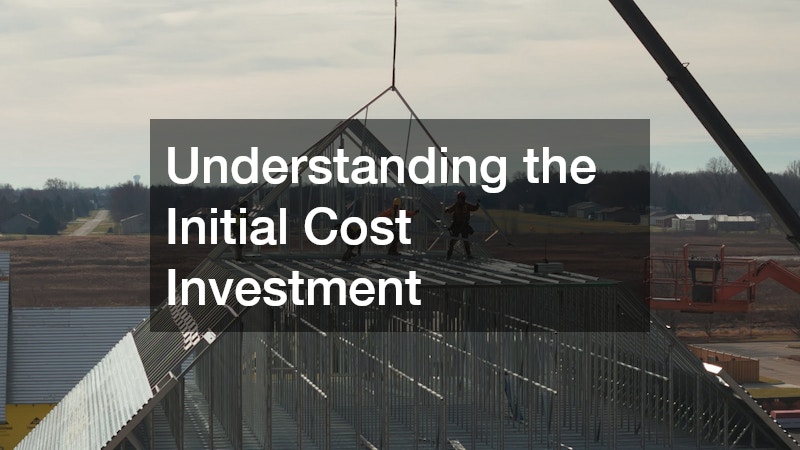
The most significant hurdle for homeowners considering metal roofing is the initial cost, which is typically several times higher than that of a standard asphalt shingle installation. This premium pricing is justified by the superior material quality, the complexity of the custom fabrication, and the highly specialized labor required for correct installation. Prospective owners must carefully evaluate this high upfront expense against the system’s extended lifespan and reduced maintenance requirements to calculate the true cost-per-year over the structure’s lifetime.
The comprehensive estimate provided by a professional must clearly itemize all factors contributing to this high initial expenditure. A reputable roofing company will detail the costs for the high-grade metal coil or panels, the specialized underlayment, the custom-bent trim and flashing pieces, and the significant labor component dedicated to the precise, detailed installation process that ensures a watertight, weather-resistant finish for decades. This transparency is crucial for understanding the value encapsulated in the higher price point.
Assessing the Longevity and Durability
The primary appeal of a metal roofing system lies in its unparalleled longevity and durability, offering superior protection against environmental stresses that rapidly degrade traditional materials. Metal roofs are naturally fire-resistant, impervious to insect damage, and can withstand significantly higher wind loads than shingles, often remaining intact through severe storms that would strip conventional roofs bare. Furthermore, their non-porous surface sheds ice and snow more efficiently, reducing the risk of water backup and ice dam formation.
The promised fifty-year lifespan is realized only if the system is designed and installed to withstand the specific thermal movements and environmental conditions of the region. A reputable roofing service focuses on the technical details, ensuring the use of high-quality, corrosion-resistant coatings, appropriate fasteners that allow for thermal expansion and contraction without damaging the panels, and proper sealing techniques at all penetrations and seams. This attention to detail guarantees the continuous integrity of the system against long-term exposure to the elements.
Evaluating the System’s Energy Efficiency
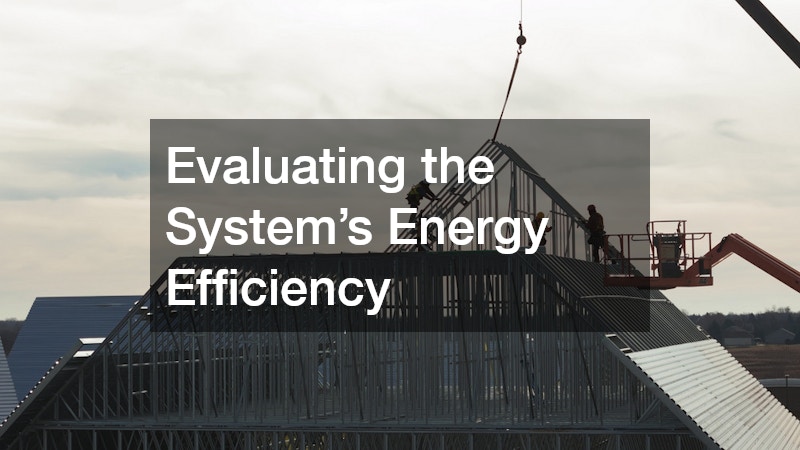
Contrary to the common misconception that metal roofs heat up the home, modern metal systems are actually highly reflective and can significantly enhance a home’s energy performance, particularly in warmer climates. The factory-applied, light-colored coatings—often referred to as cool roofing technology—are designed to reflect a large percentage of the sun’s radiant heat away from the house, drastically reducing the heat transfer into the attic space. This high solar reflectivity can substantially reduce the load on the air conditioning system, contributing to measurable energy savings over the life of the home.
The energy-saving performance of metal is a key factor when considering a long-term upgrade to a home’s protective envelope. When installed as part of a complete residential roofing system, the panels are often affixed above a layer of highly reflective material or installed with a slight air gap beneath them, which enhances the thermal break between the metal and the roof deck. This engineered assembly works synergistically with high-quality attic insulation to minimize heat gain in the summer and retain heat efficiently during the winter months, offering a dual benefit of energy conservation and comfort.
Choosing the Right Material Type
Metal roofing is not a monolithic product; it encompasses a variety of materials, including steel (the most common and affordable), aluminum (ideal for coastal areas due to corrosion resistance), copper (known for its durability and distinctive patina), and zinc (prized for its low maintenance and natural ability to heal scratches). Each material possesses unique properties regarding weight, lifespan, cost, and aesthetic aging characteristics, making the selection a critical decision that impacts both the home’s value and its long-term maintenance profile.
The choice of material must align directly with the homeowner’s budget, aesthetic goals, and the local environmental conditions, particularly exposure to salt air or extreme weather. For most consumers, galvanized or galvalume steel offers the best balance of cost and performance, but selecting the right panel style—such as standing seam (panels joined by raised, interlocking seams) or metal shingles (stamped to resemble traditional tiles)—is equally important. Homeowners must thoroughly research the properties of each major roofing material to ensure the final product meets all structural and longevity requirements for their specific geographic area and pitch.
Identifying Local Installation Expertise
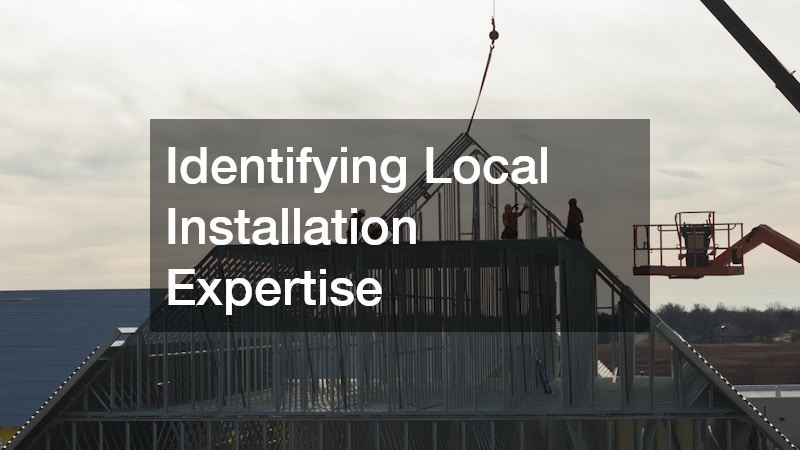
The successful performance and watertight integrity of a metal roof are almost entirely dependent on the quality and precision of the installation, a job that requires specialized tools and expertise beyond the scope of a typical shingle crew. Metal panels must be cut, shaped, and fastened in a way that accommodates the material’s constant thermal expansion and contraction without compromising the watertight seal, particularly around complex flashings and penetrations. Hiring a contractor without specific metal experience is the single greatest risk to the investment.
When undertaking this specialized upgrade, homeowners must seek out firms with a proven track record of successful metal installations in the immediate area. Vetting local roofing companies ensures that the chosen contractor is not only licensed and insured but also intimately familiar with the specific fastening requirements and necessary building code allowances for metal in the local climate, especially regarding high wind uplift areas. Their local experience guarantees that they understand the precise installation techniques required to handle the long, expensive panels without causing irreversible damage during the lifting and securing phases.
Confirming Proper Flashing and Sealing
The vast majority of roof leaks, particularly in metal systems, do not occur on the main field of the panel but rather at points where the roof plane is interrupted by chimneys, vent pipes, valleys, or wall joints. These areas require meticulous and often custom-fabricated flashing and sealing to maintain a watertight barrier while still allowing the metal panels to expand and contract with temperature fluctuations. Improperly installed flashing is a systemic flaw that guarantees water infiltration, leading to structural damage and the premature failure of the entire roof system.
The quality of the flashing work is the most reliable indicator of a metal installer’s expertise and commitment to longevity, as it represents the most technically challenging aspect of the job. A professional roofing contractor utilizes proprietary, layered flashing techniques—often involving specialized sealants and custom-bent metal—that effectively divert water away from penetrations while remaining flexible enough to accommodate thermal movement. This meticulous attention to all edge details and transitions is non-negotiable for securing the manufacturer’s long-term material warranty and achieving true, enduring watertight performance.
Planning for Routine Maintenance and Care
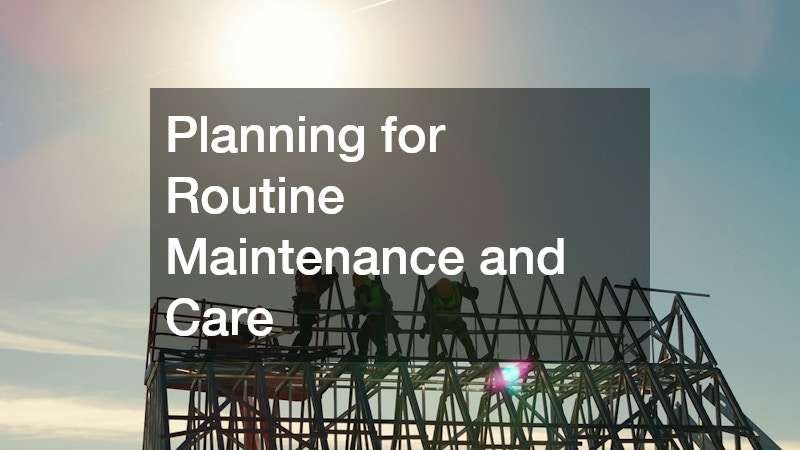
While metal roofing is famous for its low maintenance requirements compared to shingle roofs, it is not entirely maintenance-free; a proactive, simple maintenance schedule is necessary to ensure the system reaches its full projected lifespan and maintains its aesthetic appeal. The primary maintenance tasks involve clearing debris (leaves, pine needles) from valleys and gutters to prevent pooling water, and periodic inspections of sealants and fasteners to ensure they remain tightly secured and free of corrosion. Neglecting simple preventative care can allow debris to trap moisture, accelerating localized material decay.
One of the unique maintenance considerations for metal is keeping the surface clean to preserve the integrity of the protective coating and maintain solar reflectivity. Utilizing professional roof washing services is highly recommended every few years to safely remove built-up dirt, algae, or environmental contaminants without damaging the surface finish or compromising the watertight seams. These services use low-pressure techniques and specialized cleaning agents that preserve the integrity of the paint layer, which is crucial for maximizing the roof’s lifespan and energy-efficient properties.
Locating Trustworthy Repair Professionals
Despite the material’s inherent durability, even the toughest metal roof can be damaged by severe, unexpected impacts, such as falling tree limbs or extremely large hailstones. Locating a qualified professional capable of executing seamless, warranted repairs is challenging because the repair process requires specific expertise in panel matching, bending, and specialized fastening techniques that prevent the repair itself from becoming a future leak source. A poorly executed patch can void the entire system’s warranty and often looks visibly worse than the original damage.
For homeowners, establishing a relationship with an experienced local metal specialist is crucial before a weather event necessitates an urgent fix. When needing a roof repair near me, the priority is finding a specialist who can match the existing panel profile and color precisely, and who understands the proprietary methods for safely removing and replacing a single damaged panel within a continuous standing seam system without disrupting the surrounding sections. This level of technical skill ensures the repair is not only watertight but also virtually undetectable upon completion.
Vetting Certified Local Specialists
Given the high cost and specialized nature of metal roofing installation, the selection of the installer is arguably the most critical decision a homeowner makes. Certification is key: manufacturers of high-quality metal products often offer advanced training and require contractors to pass rigorous tests to become certified installers. These certifications signify that the contractor has mastered the specific, proprietary installation methods required to ensure the material performs as designed and, crucially, that they are authorized to offer the manufacturer’s enhanced, long-term warranty coverage. Choosing an uncertified installer risks voiding the best warranties and compromising the decades-long lifespan expectation.
To protect the significant investment, homeowners should insist on working only with metal specialists who hold current and relevant manufacturer credentials. Vetting a certified local roofer means verifying their specific training in the type of system being installed—whether it is standing seam, metal shingle, or a custom copper application—and checking their local reputation through established consumer review sites and trade organizations. This thorough due diligence process ensures that the installer possesses the technical competence and ethical accountability necessary to deliver a flawless, warrantied installation that will last for fifty years or more.
Verifying Installer Experience and Credentials
Beyond general licensing and insurance, the specific experience and training of the metal installation crew are paramount, given that this type of roofing is prone to technical failure if not installed with extreme precision. The best results come from crews who specialize solely in metal, as they possess the nuanced understanding of how different metals react to cutting, fastening, and thermal stress. Their credentials should include a track record of handling similar large-scale, complex projects, demonstrating their capability to manage the logistics of panel fabrication and on-site material handling without error.
Homeowners should request detailed documentation of the crew’s history with metal installations, paying close attention to the number of completed projects and any specialized training they have received directly from the material supplier. Insisting on working with the highest caliber roofers is an assurance that the installation will adhere to stringent quality control standards, ensuring that complex details like sealant application, panel alignment, and the critical allowance for thermal movement are executed flawlessly. This foundational quality assurance eliminates the major cause of long-term failure and protects the system’s projected lifespan.
The decision to transition to a metal roofing system is a calculated, high-value choice rooted in the desire for superior longevity, protection, and reduced long-term maintenance costs. The upfront financial investment, while substantial, is offset by the material’s fifty-year lifespan, fire resistance, and enhanced energy efficiency gained from reflective coating technologies. However, achieving this premium performance is entirely dependent upon disciplined preparation, beginning with a thorough understanding of the different material types—from steel to copper—and their suitability for local climate conditions. Crucially, the homeowner’s focus must center on vetting and selecting highly specialized, manufacturer-certified local installers who have proven expertise in managing the technical complexities of flashing, sealing, and accommodating thermal expansion. By committing to this stringent selection process and demanding comprehensive warranties from credentialed professionals, homeowners can ensure their metal roof is a robust, maintenance-reducing asset that delivers decades of reliable protection and maximum return on investment.