Understanding how your air conditioning system operates can not only help you optimize its use but also aid in troubleshooting common issues. Air conditioning is an essential aspect of modern living, providing comfort and air quality improvement.
In this article, we will delve into the intricate workings of an AC system.
The Basic Components of an Air Conditioning System
At the core of any air conditioning system are a few vital components: the compressor, the condenser, and the evaporator. The compressor is responsible for pressurizing the refrigerant and facilitating heat exchange. Meanwhile, the condenser and evaporator work together to distribute and absorb heat, effectively cooling the air inside your home.
Another crucial part of the system is the refrigerant, a chemical compound that cycles through different states within the system. It absorbs heat from indoor air when it evaporates and releases heat when it condenses. This constant cycle of evaporation and condensation is what effectively keeps your environment cool and comfortable.
Ventilation fans and ducts are also integral to the functioning of an AC system. They distribute cooled air throughout your living spaces while simultaneously venting warm air out. Proper installation and maintenance of these elements ensure that the air conditioning system is not only efficient but also energy-saving.
How the Cooling Process Works
The cooling process begins with the thermostat, which signals the compressor to start its operation. Once the compressor is activated, the refrigerant cycle begins. As the refrigerant absorbs indoor heat, it transitions from a low-pressure gas to a high-pressure liquid.
The high-pressure refrigerant then moves to the condenser, which is usually situated outside of the building. Here, the heat absorbed from the interior is released into the external environment. As a result, the refrigerant returns to a low-pressure state as it cools.
Finally, in the evaporator coil, the refrigerant absorbs heat from indoor air and starts its journey back to the compressor. This continuous loop keeps your room at the desired cool temperature. Meanwhile, the evaporative cooling enhances air quality by reducing moisture levels.
Energy Efficiency and Environmental Considerations
In recent years, the focus on energy efficiency in air conditioning systems has increased significantly. Modern air conditioning units often come with energy-saving features that reduce electricity consumption. Innovations such as variable-speed compressors and smart thermostats contribute to lower energy bills.
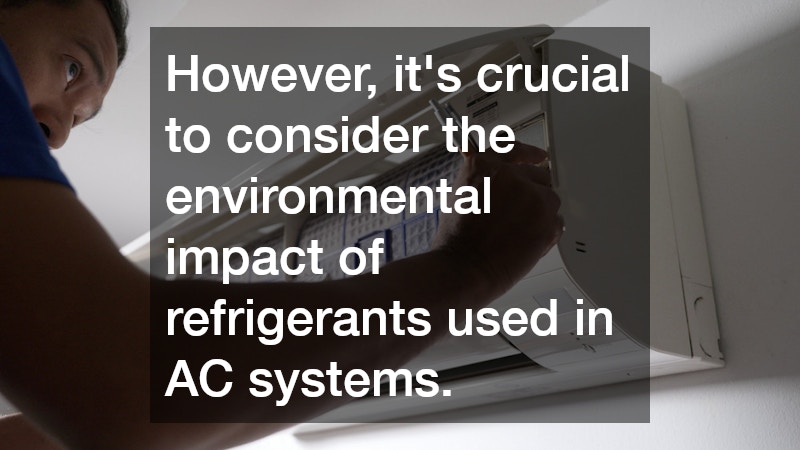
However, it’s crucial to consider the environmental impact of refrigerants used in AC systems. Many older units still use chlorofluorocarbons (CFCs), which have been linked to ozone depletion. Transitioning to more eco-friendly refrigerants like hydrofluoroolefins (HFOs) can mitigate such environmental risks.
Proper maintenance is key to enhancing both the efficiency and longevity of air conditioning systems. Regular inspection of ducts and refrigerant levels can prevent leaks and system failures. By keeping your AC system in good condition, you’re not only ensuring your comfort but also contributing to energy conservation.
Common Issues and Troubleshooting
A frequently encountered issue in air conditioning systems is refrigerant leaks. Low refrigerant levels can lead to poor cooling performance and increased electricity bills. Identifying leaks early and refilling the refrigerant is essential for optimal operation.
Another common problem is clogged filters, which can restrict airflow and force the system to work harder. Cleaning or replacing filters on a regular basis is a simple yet effective way to maintain your system’s efficiency. Besides improving airflow, clean filters also contribute to better indoor air quality.
Lastly, thermostat malfunctions can lead to temperature inconsistencies and discomfort. Ensuring that your thermostat is accurately displaying and regulating the temperature can resolve such issues. In some cases, recalibrating or replacing the thermostat may be necessary to restore functionality.
The Future of Air Conditioning
The future of air conditioning looks promising with advancements in technology and increased environmental awareness. New developments aim to make AC systems more efficient and less detrimental to the environment. Emerging technologies such as geothermal cooling and solar-powered units are paving the way for sustainable climate control.
Smart home integration is also transforming how we interact with our air conditioning systems. More users are leveraging smart thermostats that can be controlled via smartphones and voice-activated devices. This level of convenience doesn’t only enhance comfort but also allows for more precise energy management.
As the industry evolves, there’s a clear trend towards personalizing air conditioning solutions to better fit individual needs and space requirements. The shift towards modular systems that offer customizable options will likely dominate the market in the coming years. This represents a significant step forward in the quest for efficient, eco-friendly, and user-centric climate control systems.