Fall is an ideal time for homeowners to take stock of their properties and prepare for the months ahead. As temperatures begin to drop, household systems may face different demands, leaves can create exterior drainage problems, and minor maintenance concerns that were easy to overlook during summer can become more noticeable. Creating a seasonal repair budget can help homeowners address these issues without turning every unexpected problem into a financial emergency.
The challenge is deciding how much money to set aside and which projects deserve priority. Not every home will require the same maintenance. Properties with septic systems or private wells have different responsibilities from homes connected to municipal utilities, while the age and condition of HVAC equipment, plumbing, siding, gutters, garage components, and water heaters can also influence likely expenses.
A useful fall budget should account for routine maintenance, known repairs, and an additional reserve for unexpected problems. Homeowners can start by inspecting major systems, reviewing previous service records, and identifying anything that has been performing differently. Taking care of smaller concerns now may reduce the risk of more disruptive and expensive problems during colder weather.
Set Aside Funds for Essential Wastewater Maintenance

Homes with septic systems require ongoing maintenance that should be treated as a regular household expense rather than an unexpected repair. Because much of the system is underground, it can be easy to forget about it until drainage problems, odors, backups, or other warning signs appear.
Professional septic tank services may include pumping, inspections, or other maintenance depending on the type and condition of the system. How frequently a tank needs attention depends on factors such as household size, tank capacity, water usage, and the amount of material entering the system.
Homeowners can review previous pumping records to determine when the system was last serviced. If those records are unavailable, a professional can provide guidance based on the property and system.
Fall can be a convenient time to address septic maintenance before winter conditions make outdoor work more complicated. Homeowners should also pay attention to slow drains, unusual odors, wet areas near system components, or changes in wastewater performance.
Including septic care in the household budget makes it easier to handle routine maintenance instead of waiting for a potentially more expensive emergency.
Plan for Repairs to Frequently Used Garage Systems
Garage doors are often used multiple times each day, placing considerable demand on openers, springs, rollers, tracks, sensors, and other moving components. Small performance changes can gradually become larger problems if homeowners continue operating the system without investigating them.
Budgeting for garage opener repair can be worthwhile when the opener becomes unusually noisy, operates inconsistently, reverses unexpectedly, or fails to move the door normally. Some problems may involve the opener itself, while others can originate elsewhere in the garage door system.
Homeowners should avoid attempting repairs involving components under significant tension without appropriate expertise. A professional can determine whether the problem involves adjustment, a replaceable component, the opener, or another part of the assembly.
Fall maintenance can also include checking weatherstripping and seals around the garage door. Damaged seals may allow cold air, moisture, leaves, or debris into the garage.
If the system is older, homeowners may want to maintain a larger repair reserve. Planning for potential service makes an unexpected failure easier to manage, particularly when the garage is the household’s primary entrance.
Prepare for Unexpected Issues With Your Water Supply

Properties that depend on private wells have additional maintenance considerations. Problems involving pumps, pressure equipment, electrical components, or the well itself can interfere with the household’s water supply and may require prompt professional attention.
Setting aside money for local well repairs can help homeowners prepare for unexpected changes in system performance. Warning signs may include unusual changes in water pressure, intermittent water flow, strange sounds from equipment, or a sudden loss of water.
Not every change necessarily means the well itself has failed. Pressure tanks, pumps, switches, plumbing, and electrical components can all influence performance. A professional evaluation can help identify the actual source before unnecessary equipment is replaced.
Homeowners should also maintain records showing previous repairs, equipment replacements, and service dates. Knowing the age of major components can make future budgeting easier.
Because access to water is essential, well problems can quickly become urgent. A household that relies on a private system may benefit from maintaining a dedicated emergency reserve instead of assuming all water-related expenses can be postponed until the next monthly budget cycle.
Include Exterior Drainage Maintenance in Your Seasonal Budget
Falling leaves can create significant challenges for roof drainage systems. Gutters that worked normally throughout summer may become clogged within weeks once nearby trees begin dropping leaves and other debris.
A professional gutter business can provide cleaning, repairs, replacement, or inspection depending on the condition of the system. Homeowners should look for sagging sections, loose fasteners, leaking joints, damaged downspouts, and areas where water consistently overflows.
Budgeting for seasonal gutter work can help protect more than the drainage system itself. Gutters are intended to collect water from the roof and direct it toward appropriate discharge points. When they cannot function properly, water may spill near siding, fascia, landscaping, walkways, or the foundation.
Homeowners should also inspect where downspouts release water. A perfectly clean gutter system still cannot protect the property effectively if downspouts discharge into problematic locations.
Fall is an especially important time to keep drainage pathways open. Planning for cleaning and minor repairs before heavy seasonal precipitation can reduce the chance that clogged gutters contribute to additional exterior maintenance needs.
Address Cooling Problems Before They Turn Into Costly Repairs
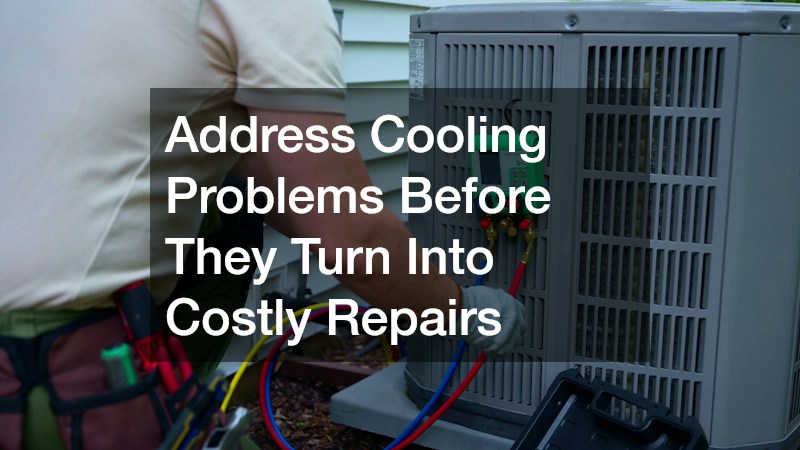
Once summer ends, homeowners may be tempted to forget about air conditioning until the following year. However, unresolved cooling problems do not necessarily disappear simply because the equipment is no longer being used every day.
An AC repair service can investigate problems that occurred during the cooling season, including unusual noises, weak airflow, inconsistent temperatures, frequent cycling, or unexpected changes in system performance. Addressing known concerns during fall can help homeowners avoid discovering the same problem during the first hot days of the next cooling season.
Homeowners can review how the system performed throughout summer. If certain rooms were consistently uncomfortable or the equipment appeared to run excessively, those observations can provide useful information during professional service.
Fall budgeting can also account for aging equipment. A system approaching replacement may warrant a larger household reserve even if it remains functional today.
Planning ahead does not mean replacing equipment unnecessarily. Instead, homeowners can use maintenance and professional evaluations to understand the condition of the system and prepare financially for repairs or replacement when they eventually become appropriate.
Prevent Expensive Plumbing Problems With Routine Maintenance
Drainage issues often begin gradually. A sink may empty a little slower than usual, a shower may begin holding water, or a drain may develop recurring odors. Ignoring these changes can allow an obstruction or other underlying issue to become more disruptive.
Professional drain cleaning can address certain blockages and help determine why problems repeatedly occur. Homeowners should be especially attentive when multiple fixtures are draining slowly or when backups occur, as these symptoms may indicate a problem that deserves further investigation.
Preventative habits can also reduce unnecessary plumbing problems. Household members should be mindful of what enters drains and avoid treating plumbing systems as convenient disposal methods for inappropriate materials.
Fall provides an opportunity to check frequently used fixtures before holiday gatherings or periods when more people may be spending time in the home. Kitchens and bathrooms can experience increased demand when guests visit.
Including plumbing maintenance in a seasonal budget gives homeowners room to address smaller issues promptly. Spending money on professional attention early may be preferable to paying for emergency service and repairing water damage after a more significant backup.
Budget for Exterior Updates That Protect the Home

Siding contributes substantially to curb appeal, but it also helps protect exterior walls from weather. Cracks, loose sections, rot, impact damage, gaps, or other deterioration can create areas where moisture and pests may cause additional problems.
Professional siding installations may be appropriate when existing materials have widespread deterioration or no longer provide the performance homeowners need. However, not every siding problem requires complete replacement. Localized repairs may be sufficient depending on the material and extent of the damage.
Homeowners planning their fall budgets should inspect siding from safe ground-level locations. Look around corners, windows, doors, utility penetrations, and areas close to the ground where deterioration may be more noticeable.
If replacement is being considered, homeowners should compare more than initial material prices. Maintenance requirements, durability, appearance, climate suitability, installation quality, and warranty terms can influence long-term value.
Exterior upgrades can represent a larger budget item, so identifying problems early gives homeowners additional time to research options and save rather than waiting until deterioration requires immediate action.
Handle Small Water System Issues Before They Get Worse
Small plumbing problems are easy to postpone because they may not initially interfere with everyday routines. A dripping faucet, minor leak beneath a sink, running toilet, or unusual pipe noise may seem more annoying than urgent.
Timely plumbing repairs can prevent certain small problems from affecting surrounding materials or wasting resources. A slow leak, for example, can expose cabinetry, flooring, drywall, or other materials to repeated moisture.
Fall is a useful time to inspect visible plumbing connections throughout the home. Homeowners can check beneath sinks, around toilets, near washing machines, and around other water-using appliances for signs of moisture or deterioration.
Outdoor plumbing also deserves attention before colder weather. Hoses, exterior faucets, irrigation components, and other seasonal equipment may require preparation based on the home’s climate and system design.
Homeowners should know where the main water shutoff is located and how it operates. During a major plumbing problem, shutting off the water quickly can help limit damage while professional service is arranged.
Budgeting for smaller repairs makes it easier to address these issues before they become emergencies.
Plan Ahead for Seasonal Heating and Cooling Service Needs
Fall represents a transition between cooling and heating seasons, making it a logical time to evaluate household climate-control systems. Equipment that has worked heavily throughout summer may need maintenance, while heating components may soon begin operating more frequently.
Professional air conditioner contracting services can help homeowners understand the condition of cooling equipment and plan future maintenance or upgrades. Depending on the type of HVAC system, fall service may also provide an opportunity to evaluate components that contribute to year-round comfort.
Homeowners can make seasonal HVAC expenses more predictable by treating maintenance as part of the annual household budget. Filters, professional service, minor repairs, thermostat issues, and eventual equipment replacement should not all be viewed as completely unexpected costs.
This is also a good time to consider how other parts of the house influence comfort. Insulation, air leakage, windows, ductwork, and ventilation can affect how hard heating and cooling equipment must work.
Keeping service records can make long-term planning easier. Knowing when equipment was installed and what repairs have previously been completed provides useful context when deciding whether another repair or eventual replacement makes more financial sense.
Reserve Emergency Funds for Hot Water System Problems
Hot water is easy to take for granted until the water heater stops functioning. Because these systems operate throughout the year, problems can quickly disrupt showers, cleaning, laundry, and other household routines.
Homeowners may need local water heater repair when they notice inconsistent temperatures, insufficient hot water, unusual sounds, visible leakage, or other changes in performance. The appropriate response depends on the type, age, and condition of the equipment.
A leaking water heater deserves particular attention because water can damage surrounding flooring, walls, or stored belongings. Homeowners should periodically look around the unit for visible moisture, corrosion, or other changes without attempting repairs beyond their level of expertise.
The age of the equipment can also inform budgeting. If a water heater has been in service for many years, homeowners may choose to gradually increase their emergency reserve rather than waiting until a failure forces an immediate financial decision.
Keeping installation documents and service records can help homeowners understand the system’s history. A dedicated reserve provides flexibility to handle necessary service without taking money away from unrelated fall maintenance priorities.
A practical fall home repair budget should prepare homeowners for both predictable maintenance and unexpected problems. The exact amount will vary from one household to another, but the process can begin by identifying which systems require routine service, which components are aging, and which small problems have already appeared.
Essential systems should generally receive priority. Wastewater, water supply, plumbing, drainage, HVAC equipment, and water heaters can significantly disrupt daily life when they fail. Exterior components such as siding and gutters deserve attention as well because deterioration can expose other parts of the property to moisture and weather.
Homeowners can divide their fall budget into categories for scheduled maintenance, known repairs, larger future projects, and emergencies. This approach makes it easier to distinguish expenses that should occur every year from major replacements that may only happen occasionally. Service records and previous invoices can provide useful starting points when estimating future needs.
Most importantly, budgeting should support preventative maintenance rather than encourage homeowners to postpone necessary work until failure occurs. Small leaks, slow drains, unusual equipment behavior, deteriorated siding, and clogged gutters are often easier to address before they contribute to secondary damage.
Fall provides a natural opportunity to evaluate the property before winter places new demands on household systems. By inspecting the home, prioritizing essential repairs, maintaining an emergency reserve, and planning larger projects in advance, homeowners can approach seasonal maintenance with fewer surprises and a clearer understanding of where their repair budget is going.