A house is really a collection of interconnected systems working quietly in the background, and most homeowners only think about them when something breaks. Waiting for a breakdown almost always costs more than staying ahead of one, both in money and in stress. A season-by-season checklist turns home maintenance from a guessing game into a manageable routine. This guide walks through the major systems in your home and what to check throughout the year so small issues never become expensive emergencies.
Heating and Cooling Equipment Through the Seasons
Your HVAC system works harder than almost anything else in your home, cycling on and off for months at a stretch, which means it needs attention twice a year at minimum. Fall is the time to schedule a furnace or heat pump inspection before the cold sets in, while spring is ideal for checking the cooling side of the system before summer temperatures spike. Skipping these seasonal checkups is one of the most common reasons homeowners end up calling for air conditioning repair in the middle of a heat wave, when technicians are booked solid and parts take longer to source. A quick professional tune-up twice a year catches worn belts, low refrigerant, and dirty coils long before they cause a full breakdown.
Between professional visits, there is plenty you can do yourself to keep the system running efficiently. Replacing filters regularly is the single easiest maintenance task in the entire house, yet it is the one most often forgotten.
- Replace air filters every one to three months depending on usage and pets
- Clear leaves, debris, and grass clippings away from outdoor condenser units
- Test your thermostat batteries and settings at the start of each season
- Listen for unusual rattling, grinding, or hissing sounds during startup
- Keep vents and returns unblocked by furniture or rugs
Plumbing Fixtures and Water Lines Inside the Home

Plumbing problems rarely announce themselves loudly at first; they show up as a slow drip under the sink or a faint musty smell near the water heater. A seasonal walk-through of every faucet, toilet, and exposed pipe can catch small leaks before they turn into a soaked subfloor or a mold problem. Many homeowners wait until a pipe bursts to think about calling residential plumbers, but a proactive relationship with a trusted plumbing professional means someone already knows your home’s layout and history when an issue does arise.
Water heaters deserve special attention since they are often tucked away in a basement or closet and easy to forget about. Sediment builds up inside the tank over time, reducing efficiency and shortening the unit’s lifespan if it is never flushed.
- Check under sinks and around toilets for warped wood or discoloration
- Test water pressure at multiple fixtures to spot early supply line issues
- Flush the water heater tank annually to remove sediment buildup
- Inspect visible pipes in the basement or crawlspace for corrosion or sweating
- Know the location of your main shutoff valve before you need it in an emergency
Roof Condition and Attic Ventilation
The roof takes more abuse from the elements than almost any other part of the house, so it deserves a close visual inspection at least twice a year, ideally in spring and fall. Look for missing shingles, cracked flashing around chimneys and vents, and granules collecting in the gutters, which can signal that a roof is aging faster than expected. Homeowners considering a longer-term upgrade often look into metal roof installation because of its durability and resistance to wind, hail, and fire compared to traditional asphalt shingles.
Attic ventilation matters just as much as the roofing material itself, since trapped heat and moisture can warp decking and encourage mold growth from the inside out. A well-ventilated attic also helps regulate indoor temperatures, easing the load on your heating and cooling equipment.
- Check for daylight coming through the attic roof boards
- Look for water stains or dark streaks on ceilings after heavy rain
- Clear gutters and downspouts of leaves and debris each fall and spring
- Make sure soffit and ridge vents are free of insulation blockage
- Trim overhanging branches that could damage roofing during storms
Foundation, Basement, and Moisture Control
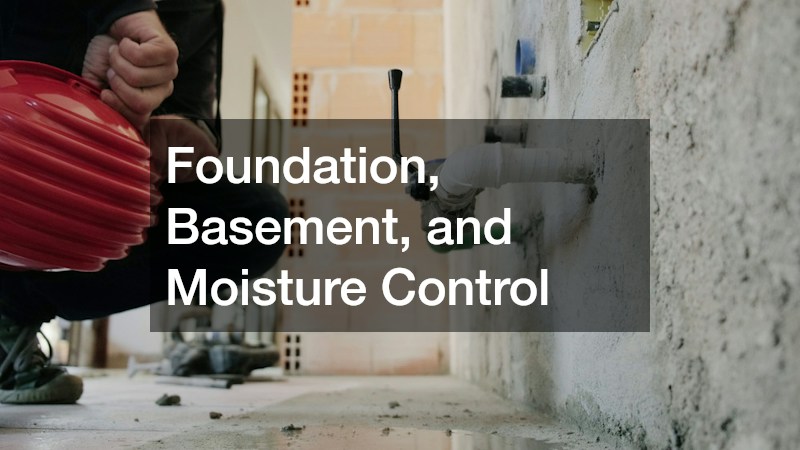
Water finds the path of least resistance, and if your grading or drainage isn’t working properly, that path often leads straight into your basement. Checking the soil slope around your foundation each spring helps ensure water is moving away from the house rather than pooling against it. Small cracks in a foundation wall might seem cosmetic, but they can widen over time and let moisture seep in during heavy rain or snowmelt.
When flooding or a major leak does happen, speed matters more than almost anything else. Calling a water damage restoration company within the first 24 to 48 hours can mean the difference between drying out a space and losing flooring, drywall, and personal belongings to mold. Acting fast also tends to keep insurance claims simpler, since documented rapid response shows you took reasonable steps to limit the damage.
- Inspect foundation walls for new or widening cracks each season
- Confirm downspouts direct water at least five feet away from the house
- Test your sump pump before spring rains and again before winter
- Watch for a musty smell in the basement, a common early sign of moisture
- Keep a dehumidifier running in damp basements during humid months
Well Water Systems and Water Quality Testing
Homes on private wells carry an extra layer of responsibility that city water customers don’t have to think about, since there is no municipal treatment plant checking quality on your behalf. That responsibility falls entirely on the homeowner, which means building well maintenance into your annual checklist rather than waiting for a problem to announce itself. Testing well water at least once a year for bacteria, nitrates, and mineral content is the best way to catch contamination before it affects your family’s health. Coliform bacteria and nitrate tests are the most commonly recommended baseline, especially for households with young children, pregnant women, or private septic systems nearby, since septic runoff and agricultural fertilizer are two of the most common contamination sources. If you live near farmland or have had flooding in the past year, consider testing twice annually instead of once, and always test after any repairs to the well casing or pump. If your water pressure drops unexpectedly or you notice a change in taste, color, or odor, it may be time to have the well itself inspected rather than just the plumbing inside the house. A sudden metallic taste can point to corroding pipes or shifting mineral content, while cloudy or discolored water often signals sediment, a failing filter, or a cracked well cap letting in surface runoff. Sulfur or “rotten egg” odors are usually linked to bacteria or dissolved gases in the aquifer and shouldn’t be ignored. In some cases, local plumbers can help rule out issues with household pipes and fixtures before you assume the well or the aquifer itself is the source of the problem. Bringing in experienced plumbers early can save you the cost of an unnecessary well inspection if the real culprit turns out to be an aging water heater, corroded fixture, or a failing pressure tank.
Choosing among well drilling companies for a new well or a replacement is a decision worth researching carefully, since well depth, casing materials, and local geology all affect long-term water quality and reliability. Ask prospective drillers for references, proof of state licensing, and details on how they’ll handle grouting and casing to prevent surface contaminants from seeping in. Beyond installation, a handful of yearly tasks keep a well system running smoothly. Test the pressure tank’s air charge annually, inspect the wellhead for cracks or damage, and have a professional check the pump’s amperage draw if you notice pressure fluctuations or unusual noises. Water quality testing deserves its own spot on the calendar. Most experts recommend testing well water at least once a year for bacteria, nitrates, and pH, with additional testing for radon, arsenic, or heavy metals if those are known issues in your region. Test again anytime you notice changes in taste, smell, or color, or after any flooding near the wellhead. A properly installed well with a well-maintained pump and pressure tank can last for decades with only routine checkups. Keeping records of each year’s test results and service visits also makes it easier to spot gradual changes and catch problems before they become costly repairs.
- Test well water annually for bacteria, nitrates, and pH balance; retest anytime you notice a change in taste, smell, or color
- Watch for sediment or cloudiness that suggests casing, screen, or filter issues, and check inline filters monthly
- Have the pressure tank and pump inspected every 2-3 years, and confirm the tank’s pre-charge pressure matches the pump’s cut-in setting
- Keep the wellhead area clear of chemicals, fertilizer, and standing water, maintaining at least a 50-foot buffer from septic systems
- Note any sudden changes in flow rate or pressure cycling, which can signal pump wear or a waterlogged tank
- Replace water softener salt and check resin beds annually if your system relies on treated well water
- After heavy rain or flooding, test for bacteria before resuming normal use, since surface water can infiltrate a compromised wellhead
Electrical Panels and Whole-House Wiring

Electrical systems tend to be out of sight and out of mind until a breaker trips repeatedly or an outlet feels warm to the touch. An annual walk-through of your electrical panel, checking for rust, scorch marks, or a burning smell, can catch problems before they become fire hazards. Older homes with outdated wiring, like knob-and-tube or aluminum wiring, benefit from a professional evaluation even if nothing seems obviously wrong.
Outlets and switches throughout the house are worth testing periodically as well, especially in kitchens, bathrooms, and garages where ground fault circuit interrupters are required by code. A tripped GFCI that won’t reset can indicate a deeper wiring issue rather than a simple nuisance trip.
- Test all GFCI outlets monthly using the built-in test and reset buttons
- Watch for flickering lights, which often point to loose connections
- Avoid overloading extension cords and power strips on a permanent basis
- Schedule a panel inspection if your home is more than 25 years old
- Label breakers clearly so anyone in the household can shut off power quickly
Garage Organization and Storage Systems
The garage often becomes the default storage space for everything that doesn’t have a home elsewhere, from seasonal decorations to lawn equipment and sports gear. Without a system, clutter builds up quickly and makes it harder to spot leaks, pest activity, or deteriorating equipment stored against the walls. Installing sturdy garage cabinets keeps tools and chemicals organized and off the floor, which also protects them from moisture if water ever seeps in during a storm.
A seasonal decluttering routine pairs well with a broader home maintenance checklist, since the garage is also where many people store paint, fertilizer, and other materials that shouldn’t sit in extreme heat or cold for too long. Taking twenty minutes each season to reassess what’s stored there keeps the space functional rather than chaotic.
- Sort seasonal items into clearly labeled, stackable bins
- Store chemicals and flammable materials away from heat sources
- Check for pest droppings or nesting material behind stored boxes
- Sweep and inspect the garage floor for cracks or oil stains
- Reassess cabinet and shelving needs as belongings accumulate
New Construction and Major Renovation Planning

Some homeowners reach a point where routine maintenance isn’t enough, either because the house has outgrown their needs or because starting fresh makes more financial sense than continually patching an aging structure. Working with a custom home builder allows you to plan every system from the ground up, choosing materials and layouts suited to your climate and lifestyle rather than adapting to someone else’s decisions. This approach also gives you the chance to build in energy-efficient systems and modern wiring standards from day one instead of retrofitting them later.
Even a smaller renovation project benefits from thinking about how new work will interact with existing systems like plumbing, electrical, and HVAC. A poorly planned addition can strain a heating system that was never sized for the extra square footage, leading to uneven temperatures and higher bills.
- Map out how additions will affect existing plumbing and electrical capacity
- Ask about energy-efficient windows, insulation, and HVAC sizing upfront
- Confirm permits and inspections are scheduled at each project phase
- Discuss long-term maintenance needs for any new systems being installed
- Budget extra time and money for unexpected discoveries in older homes
Seasonal Emergency Preparedness for Home Systems
No maintenance checklist can prevent every possible failure, which is why having a plan for emergencies matters just as much as routine upkeep. Knowing which professionals to call before you need them saves precious time when a pipe bursts at midnight or the furnace dies during a cold snap. Building relationships with a reliable heating company and other trusted contractors before an emergency happens means you’re not searching for reviews while water is pooling on your kitchen floor.
It also helps to keep a written list of contacts and shutoff locations somewhere accessible, since stress makes it easy to forget details in the moment. A little preparation now turns a potential disaster into a manageable inconvenience.
- Keep emergency contact numbers for HVAC, plumbing, and electrical professionals on hand
- Know the locations of your main water, gas, and electrical shutoffs
- Store a basic emergency kit with flashlights, tools, and a wet-dry vacuum
- Review your homeowner’s insurance coverage annually for gaps
- Walk through your home’s systems with household members so everyone knows the basics
Staying on top of every system in your house doesn’t require becoming an expert in plumbing, roofing, or electrical work overnight. It simply means building small, consistent habits into each season so problems get caught early rather than discovered during a crisis. Start with one system this week, whether it’s testing your smoke detectors or scheduling an overdue inspection, and build the rest of your checklist from there. Your future self, and your home, will thank you for it.