
Most homeowners think of property upkeep as a list of indoor chores: fix the leaky faucet, change the furnace filter, patch the drywall. But the real cost of neglect usually shows up outside the house, in the systems and structures that quietly support everything else, from the ground your home sits on to the roof over your head. A property care schedule that only accounts for interior maintenance leaves you blind to problems that are often more expensive and more disruptive to ignore. This guide walks through the outdoor and structural systems that deserve a regular spot on your calendar, so you can catch small issues before they become five-figure repairs.
Inspecting Your Roof Before Problems Start Leaking

Your roof takes the brunt of every storm, heat wave, and freeze your region throws at it, yet most people only think about it when water is already dripping into a ceiling. A biannual inspection, typically in spring and fall, lets you spot cracked shingles, lifted flashing, or granule loss before they turn into interior damage. Fall checks matter most for clearing debris and confirming the roof can handle winter snow loads, while spring checks catch whatever damage ice and wind left behind. Beyond the obvious cracked or missing shingles, a thorough inspection should cover sagging rooflines, rusted or loose gutters, and soft spots around chimneys and skylights where leaks tend to originate. Granule buildup in gutters is an easy early warning sign that shingles are wearing down faster than expected. Even small issues, like a quarter-sized gap in flashing, can let in enough water over a season to rot the decking underneath. Many homeowners assume they can handle this check themselves, but Roofing Contractors have the training, harnesses, and equipment to safely identify issues that are invisible from the ground. They also know what to look for in attic spaces, such as water stains, mold, or daylight coming through the boards, which often reveal leaks long before they show up on the ceiling below. Scheduling a professional walk-through once a year, even alongside your own visual checks from the ground, adds a layer of protection against the kind of damage that turns a simple repair into a full roof replacement.
Scheduling a professional look at your roof every couple of years, even without visible problems, is one of the smartest moves you can make for long-term property value. A trained inspector can spot early warning signs that are easy to miss from the ground, such as cracked flashing, granule loss on shingles, soft spots in the decking, or small gaps around vents and chimneys where water can sneak in. It’s also worth scheduling a check after major weather events like hailstorms or high winds, since damage from these events isn’t always obvious until it turns into a leak months later. Many roofing companies offer free or low-cost storm inspections, which can be a quick way to catch problems before they escalate. Roofing companies can also advise on the remaining lifespan of your current materials, which helps you budget for replacement instead of being caught off guard. Asphalt shingles typically last 20 to 25 years, while metal or tile roofs can go 40 years or more, so knowing where your roof stands in that timeline makes a real difference in planning. Beyond age, ask about ventilation and insulation during the inspection, since poor attic airflow can quietly shorten a roof’s lifespan even if the shingles themselves look fine. Getting this information in writing gives you a clearer picture for insurance purposes and future home resale conversations.
- Check for missing, curled, or cracked shingles after major storms, and scan for granules piling up in gutters, a sign shingles are wearing thin
- Clear debris from valleys and around chimneys twice a year, ideally in spring and late fall before leaves pile up
- Watch for daylight through the attic boards, a sign of gaps, and bring a flashlight to spot dark water stains or damp insulation while you’re up there
- Note any sagging areas, which can indicate structural issues like rotted decking or overstressed rafters
- Keep gutters clear so water doesn’t back up under shingles, and check that downspouts drain at least 3-4 feet away from the foundation
- Inspect flashing around vents, skylights, and chimneys, since these joints are common leak points even when shingles look fine
- Schedule a professional roof inspection every 2-3 years, or sooner if your roof is nearing the end of its expected lifespan
Maintaining Your Septic System on a Realistic Timeline
If your property relies on a septic system rather than municipal sewer service, it needs its own maintenance rhythm that’s easy to forget until something goes wrong. Waste and sludge build up gradually in the tank, and without regular attention, that buildup can clog pipes or back up into your home. Most residential systems benefit from septic pumping every three to five years, though household size and water usage can shift that window.
Keeping a written record of pump dates and tank inspections helps you stay ahead of problems rather than reacting to a backed-up drain on a holiday weekend. A few simple habits also extend the life of the whole system and reduce how often major service is needed.
- Avoid flushing wipes, grease, or paper towels down toilets
- Space out laundry loads instead of running several in one day
- Keep heavy vehicles and equipment off the tank and drain area
- Have the system inspected if you notice slow drains throughout the house
Planning for Drain Field Repairs and Replacement
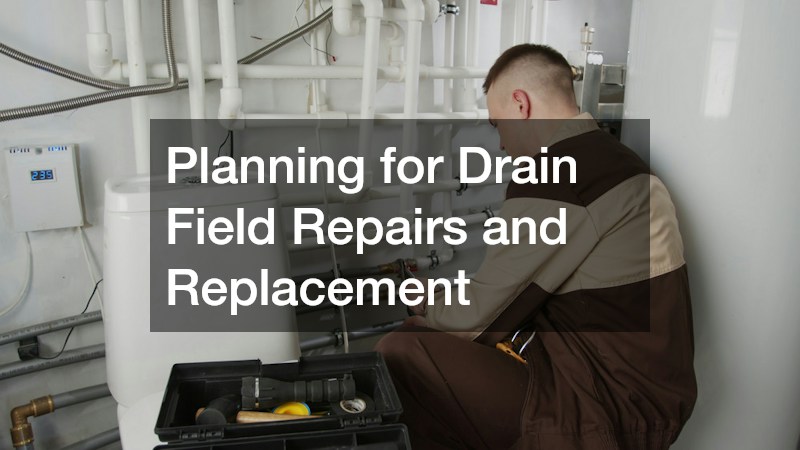
The drain field, sometimes called a leach field, is the unsung hero of any septic setup, quietly filtering wastewater back into the soil. Over time, soil compaction, tree roots, or simple age can reduce its effectiveness, leading to soggy patches in the yard or unpleasant odors. When a field fails beyond repair, drain field installation becomes necessary, and it’s a significant enough project that it deserves a line item in your long-term property budget rather than a surprise expense.
Understanding the signs of a failing drain field early can mean the difference between a minor fix and a full system overhaul. Keeping heavy structures, gardens with deep roots, and parking areas away from this part of your yard also helps it function properly for decades.
Scheduling Seasonal Lawn and Landscape Upkeep
A healthy lawn does more than look nice; it manages water runoff, prevents soil erosion, and keeps pests from migrating toward your foundation. Mowing height, fertilization timing, and aeration schedules all matter more than most homeowners realize, and getting them wrong can stress grass to the point it never fully recovers. Many people find that working with lawn care services on a seasonal contract takes the guesswork out of timing fertilizer and weed treatments correctly.
Beyond the lawn itself, think about mulch, edging, and bed maintenance as part of the same rotation. Fresh mulch isn’t just cosmetic, it regulates soil temperature and moisture, which protects plant roots through both summer heat and winter freezes.
- Fertilize according to your grass type and regional climate
- Aerate compacted soil once a year to improve water absorption
- Trim trees and shrubs away from siding and rooflines
- Refresh mulch beds in spring and again in fall
- Watch for drainage issues that pool water near the foundation
Refreshing Mulch and Ground Cover the Efficient Way
Spreading mulch by hand across a large property is exhausting and often uneven, which is why many homeowners and landscaping crews now rely on Bark Blowers to distribute material quickly and consistently. This equipment allows mulch to be blown directly into beds, around trees, and into hard-to-reach corners without the compaction that comes from walking heavy wheelbarrows through soft soil. The even distribution also means better moisture retention and fewer bare patches where weeds can take hold.
If you’re coordinating a larger landscaping refresh, ask whether your contractor uses this kind of equipment, since it often shortens the job considerably. A faster application process also means less disruption to your yard and a quicker return to normal use of outdoor spaces.
Keeping Your Heating System Ready for Winter
Furnaces and boilers tend to get ignored for most of the year, then suddenly become urgent the first cold night they fail to turn on. An annual inspection before the heating season catches worn belts, dirty burners, and pilot light issues while there’s still time to schedule a repair without an emergency fee. Reaching out to local heating companies in early fall, before the rush of cold weather calls, usually means faster appointment availability and more attention from the technician.
Routine maintenance also extends the life of the unit itself, which is a meaningful consideration given how expensive full replacements have become. A simple filter change every one to three months, paired with a yearly professional tune-up, is often enough to keep most systems running efficiently for well over a decade.
Servicing Your Cooling System Before Peak Season
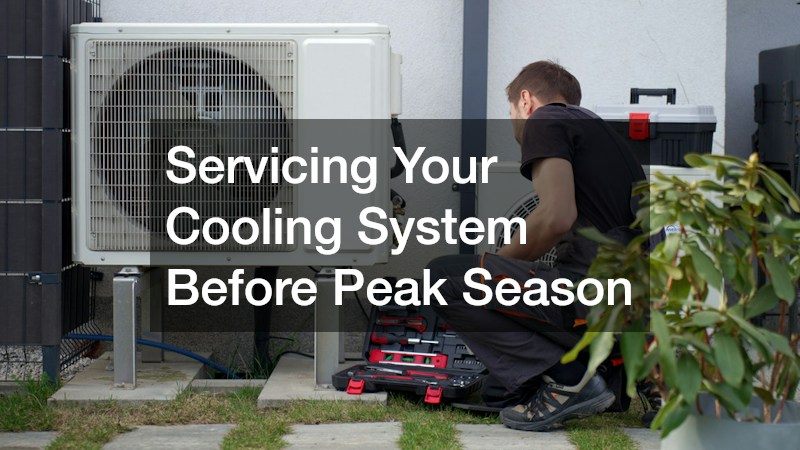
Air conditioning units work hardest during the exact months when a breakdown is most uncomfortable, so waiting until the first heat wave to think about maintenance is a gamble. Scheduling AC repair in early spring, before temperatures climb, gives technicians time to address refrigerant levels, worn capacitors, or clogged coils without the backlog that hits in June and July. A spring tune-up typically includes cleaning or replacing filters, checking thermostat calibration, inspecting ductwork for leaks, and testing electrical connections for signs of wear. Technicians will also measure refrigerant pressure, since levels that are even slightly low can force the compressor to work harder and shorten its lifespan. Catching a worn capacitor or a failing fan motor during this visit costs a fraction of what an emergency summer call-out runs, especially when that call-out comes with a diagnostic fee tacked onto rush pricing. Homeowners can also use this appointment to ask about the age of their unit. Most residential systems last 12 to 15 years, and a technician can flag when repairs are starting to cost more than a replacement would over time. Catching small issues early also tends to be far cheaper than waiting for a full system failure, and it means one less surprise to budget for when temperatures finally spike.
Spring, before the first real heat wave hits, is the ideal time to schedule air conditioning services rather than waiting until your system is already struggling. A technician will typically clean the condenser and evaporator coils, check refrigerant levels, inspect ductwork for leaks, and replace or clean filters — all tasks that directly affect how hard your unit has to work. Dirty coils alone can reduce efficiency by 30% or more, forcing the system to run longer cycles just to reach the same temperature. That extra strain doesn’t just cost you in energy use; it accelerates wear on the compressor, which is typically the most expensive component to replace. Routine servicing catches small issues, like a loose electrical connection or a slightly low refrigerant charge, before they turn into a midsummer breakdown. Beyond repairs, this kind of preventive maintenance keeps the whole system running efficiently, which shows up directly on your utility bill. A unit that’s properly maintained also tends to run quieter and maintain more consistent temperatures throughout the house, which matters a lot during the hottest stretch of summer. For most homeowners, a single annual tune-up is enough, though units over ten years old may benefit from a check twice a year.
- Replace or clean filters monthly during peak cooling season; a clogged filter forces the system to work harder and can spike energy bills
- Keep outdoor units clear of leaves, grass clippings, and debris, maintaining at least two feet of clearance on all sides for proper airflow
- Schedule a professional tune-up in spring before heavy use begins, including coil cleaning, refrigerant level checks, and electrical connection inspections
- Listen for unusual noises, which often signal a developing problem — grinding suggests motor wear, while clicking or rattling can point to loose parts
- Check that vents and registers throughout the house are open and unobstructed by furniture or curtains
- Keep a simple maintenance log noting filter changes and service dates, making it easier to spot patterns or recurring issues
Caring for Awnings, Patio Covers, and Shade Structures
Awnings and patio covers take a steady beating from sun, wind, and rain, yet they’re often the last thing on anyone’s maintenance list until the fabric tears or the frame starts to sag. Regular cleaning prevents mildew from setting into the fabric, while periodic checks of the frame and mounting hardware catch rust or loosened bolts before a storm turns a minor issue into a collapsed structure. If retractable awnings are part of your outdoor space, the motor and tracking mechanism also need occasional attention to keep them operating smoothly.
When damage does occur, working with an awning company for repairs or replacement fabric is usually more cost effective than a full structure replacement. Many of these businesses also offer seasonal retraction and storage services, which can meaningfully extend the lifespan of the materials through harsh winter months.
A property care schedule that stretches beyond the walls of your house protects the investment you’ve made in the entire lot, not just the structure sitting on it. Start by mapping out which systems on this list apply to your property, then assign realistic intervals for each one based on age, usage, and local climate conditions. Keeping even a simple spreadsheet or calendar reminder system makes it far easier to stay ahead of costly surprises. The sooner you build these habits, the more time and money you’ll save over the years you own your home.