
A dripping pipe, a sagging roofline, or a cracked foundation rarely stays a single problem for long. Homes are interconnected systems, and when one component fails, it often puts stress on everything around it, creating a domino effect of damage. Understanding how these chain reactions happen can help you catch small issues before they spiral into five-figure repair bills. This guide walks through the most common ways one broken system pulls others down with it, and what you can do to break the cycle early.
Roof Leaks That Spread Into Structural Damage
A small roof leak almost never stays small. Water that seeps through damaged shingles or flashing travels along rafters and into insulation, drywall, and eventually the framing itself. By the time a stain appears on your ceiling, the damage underneath has often been developing for months, sometimes longer if the leak is slow and intermittent. The path water takes is rarely straight down. It can follow a rafter several feet from the actual point of entry, which means the stain on your ceiling may be nowhere near the source of the problem. This is why a leak that looks minor from inside the house can mask a much larger area of saturated wood above it. Left unaddressed, that moisture breaks down wood fibers and invites mold and mildew, both of which spread far faster in warm, damp attic spaces than most homeowners expect. Structural members like trusses and rafters can lose load-bearing strength after repeated wetting and drying cycles, even if the wood never looks visibly rotted from a casual glance. In humid climates, this process can begin in as little as 24 to 48 hours of sustained moisture exposure. This is why reroofing companies frequently find rotted decking or mold colonies when they finally pull back the old roofing material. What started as a job to replace a few shingles often turns into replacing plywood sheathing, treating mold, and in severe cases, sistering new lumber alongside compromised rafters. A $500 repair estimate can quickly become a $5,000 structural project once the full extent of the damage is exposed.
A small roof leak rarely stays contained to the roof itself. Water follows gravity and gaps, seeping into the attic, soaking insulation, and traveling along rafters until it finds a path through the ceiling drywall. By the time a homeowner notices a brown stain spreading overhead, the moisture has often been working behind the scenes for weeks or months. What starts as a simple patch job can quickly become a full tear-off once hidden rot is discovered. Roofers frequently find that plywood decking has gone soft, trusses have weakened, or mold has taken hold in the attic framing — none of which show up until the shingles are pulled back. At that point, a $300 patch can turn into a $12,000 to $20,000 roof replacement. Homeowners who wait too long often end up needing both roof replacement and interior repairs at the same time, which multiplies the cost significantly. Ceiling drywall, insulation, light fixtures, and even electrical wiring can all suffer water damage, and mold remediation adds another layer of expense and inconvenience. In severe cases, structural engineers may need to assess whether sagging rafters or joists require reinforcement before any cosmetic repairs can even begin. Catching a leak in its early stages is the single best way to avoid this chain reaction. Simple habits — checking the attic after heavy storms, having a roof inspected every two to three years, and addressing missing or curling shingles promptly — can mean the difference between a minor repair and a five-figure rebuild.
- Check your attic twice a year (spring and fall) for water stains, dark streaks, or damp insulation along the roofline
- Replace missing, curling, or cracked shingles as soon as you notice them, since exposed decking can soften and rot within weeks of sustained rain
- Inspect flashing around chimneys, skylights, and vent pipes annually, looking for rust, gaps, or lifted edges where sealant has worn away
- Address ceiling stains immediately rather than waiting for them to spread, since a small brown ring often signals water already pooling above the drywall
- Watch for sagging rooflines or soft spots underfoot in the attic, both signs that trusses or decking are losing structural integrity
- Clear gutters and downspouts each fall so trapped water can’t back up under shingles and seep into the roof deck
Gutter Failures That Undermine Your Foundation
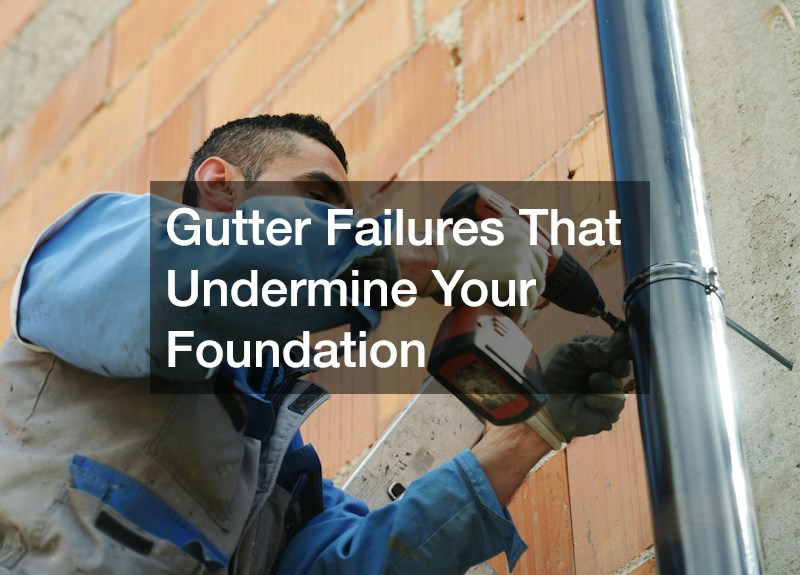
Gutters are easy to ignore until they overflow, but clogged or damaged gutters redirect water in ways that can damage multiple parts of your home at once. Overflowing water can seep behind siding, rot fascia boards, and pool at the base of your foundation. Over time, that pooling water softens soil and can cause foundation cracks or basement leaks that are far more expensive than a gutter cleaning ever would have been.
Many homeowners do not realize that gutter problems are seasonal and cumulative. Leaves and debris build up gradually, and a gutter that worked fine in spring can be completely blocked by late fall. Working with established gutter businesses for regular cleaning and inspection can prevent the slow buildup of water damage that often goes unnoticed until it becomes serious.
- Clean gutters at least twice a year, more often if you have overhanging trees
- Check downspouts to make sure water is directed away from the foundation
- Look for sagging sections, which indicate trapped water weight
- Inspect fascia boards for soft spots or peeling paint
HVAC Breakdowns That Strain Electrical and Ductwork Systems
When a cooling system starts failing, it rarely fails gracefully. A struggling unit often works harder to compensate, which can overload electrical circuits and put extra strain on ductwork that was never designed for that level of stress. Scheduling air conditioning repair at the first sign of reduced airflow or strange noises can prevent a minor compressor issue from turning into a full system replacement paired with electrical panel repairs.
Ignoring early warning signs also affects indoor air quality and humidity control throughout the house. Excess moisture from a failing unit can seep into walls near ductwork, creating conditions for mold growth that require separate remediation. A single overlooked HVAC issue can therefore ripple into problems with wiring, drywall, and air quality all at once.
- Replace air filters every one to three months
- Schedule annual maintenance before peak summer and winter seasons
- Listen for unusual noises like grinding or clicking
- Watch for inconsistent temperatures between rooms, a sign of ductwork strain
Foundation Cracks That Lead to Plumbing and Drainage Problems
Foundation settling does not happen in isolation. As a foundation shifts, it can put pressure on underground pipes, causing cracks or misalignments that lead to slow leaks beneath the slab. These leaks then saturate the soil further, accelerating the very settling that caused the problem in the first place. It becomes a feedback loop that worsens quickly without intervention.
Addressing foundation issues often requires significant excavation work to access pipes, regrade soil, or install proper drainage systems. Homeowners working with excavating companies on foundation repairs should also have their plumbing inspected at the same time, since the two problems are frequently linked. Fixing one without checking the other usually means digging up the same area twice.
- Watch for doors and windows that suddenly stick or no longer close properly
- Look for stair-step cracks in brick or block foundations
- Note any musty odors in the basement, which can indicate hidden moisture
- Monitor for uneven floors, a sign of foundation movement
Deck Rot That Spreads Into Ledger Boards and Siding

Wooden decks that are not properly maintained can rot from the inside out, and that decay does not stop at the deck boards. The ledger board connecting the deck to the house is especially vulnerable, since trapped moisture there can spread into the home’s siding and framing. Once rot reaches the ledger board, repairs become far more invasive than simply replacing a few planks.
Homeowners planning a new outdoor space should consider materials and attachment methods that reduce long-term moisture risk from the start. A custom deck build using properly flashed ledger boards and moisture barriers can prevent this exact problem before it starts. Choosing between wood and alternative materials is also worth considering, since some options hold up significantly better against rot and pest damage over time.
- Inspect ledger board flashing every spring for gaps or rust
- Check for soft, spongy spots in deck boards
- Look for separation between the deck and the house wall
- Reseal or stain wood decks every two to three years
Composite and Metal Decking Choices That Prevent Future Repairs
The material you choose for a deck has a direct impact on how many future repairs you will face. Traditional wood requires ongoing maintenance and is more susceptible to rot, insect damage, and warping over time. Composite metal decking offers a durable alternative that resists moisture damage and holds up well under temperature swings, which can significantly reduce the chain-reaction repairs that plague older wood structures.
While the upfront cost of composite or metal materials is often higher, the long-term savings come from avoiding the cascading damage that wood decks are prone to. Homeowners who have dealt with rotted ledger boards or pest infestations in the past often find the switch worthwhile. It is one of the few home improvement decisions where the material choice itself directly reduces future repair frequency.
- Compare warranty lengths between composite and wood decking products
- Ask about fade resistance for composite boards in sunny climates
- Check load ratings if you plan to add heavy furniture or a hot tub
- Consider local climate when choosing between materials
Yard Drainage and Grading Issues That Trigger Excavation Needs
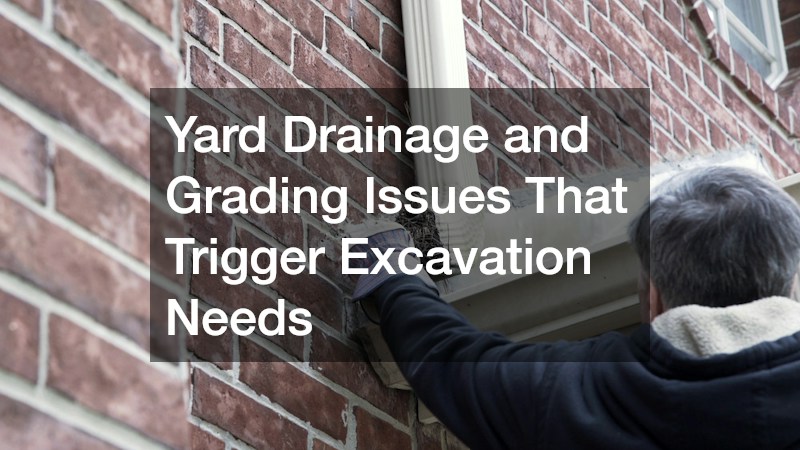
Poor yard grading sends water toward your home instead of away from it, and this single issue can trigger problems in your foundation, basement, siding, and landscaping all at once. Standing water near the house softens soil, invites pests, and increases hydrostatic pressure against foundation walls. Regrading a yard properly often requires heavier equipment than most homeowners have on hand.
For smaller regrading or drainage projects, an excavator rental can be a cost-effective way to handle the work without hiring a full crew, provided you have the experience to operate the equipment safely. Larger or more complex grading issues, especially those involving utility lines, are better left to professionals. Either way, addressing drainage proactively is far cheaper than repairing the foundation and basement damage that follows years of poor runoff management.
- Ensure the ground slopes away from your foundation at a minimum grade
- Install French drains in persistently wet areas
- Extend downspouts at least five feet from the house
- Check for erosion patterns after heavy rain to identify problem spots
Roofing Material Choices That Affect Long-Term Repair Costs

Not all roofing materials age the same way, and the choice you make during installation affects how often you will face repairs down the road. Asphalt shingles are affordable upfront but typically need replacement sooner than other options, which can create recurring cycles of water damage if maintenance lapses. Metal roofing contractors often point out that steel and aluminum roofing systems can last two to three times longer than traditional shingles while resisting the kind of granule loss and curling that leads to leaks.
When comparing roofing companies for a replacement project, it is worth asking specifically about how each material performs in your local climate, especially regarding wind, hail, and temperature extremes. A roof that fails prematurely does not just need replacing; it can also damage insulation, drywall, and electrical systems beneath it. Choosing durable materials from the start is one of the most effective ways to prevent the cascading repairs described throughout this article.
- Ask about wind and impact ratings for your region
- Compare lifespan estimates between asphalt, metal, and composite options
- Request references for previous installations in similar climates
- Confirm warranty coverage for both materials and labor
Outdoor Shade Systems That Reduce Strain on Cooling Equipment
Excessive sun exposure on windows and patios does more than make a space uncomfortable; it also forces cooling systems to work harder, accelerating wear on HVAC components. Reducing direct heat gain before it ever reaches your home is a simple way to ease that burden. Outdoor solar shades installed over patios, windows, or pergolas can block a significant percentage of solar heat before it radiates indoors.
This kind of passive cooling solution is often overlooked, yet it directly supports the longevity of mechanical systems inside the home. Reducing indoor temperature swings also lessens the strain on ductwork and electrical components tied to climate control. It is a relatively simple addition that pays off through reduced repair frequency elsewhere in the home.
- Choose shade fabrics with a high solar heat rejection percentage
- Consider retractable options for flexibility across seasons
- Install shades on south and west facing exposures for maximum benefit
- Pair shading with proper attic ventilation for compounded energy savings
The pattern is clear across nearly every system in your home: small, ignored problems rarely stay small, and they rarely stay isolated. Taking a proactive approach to roofing, drainage, decking, and cooling systems can save you from the kind of cascading repairs that drain both time and money. Start with a walk around your property to identify the early warning signs covered in this guide, then prioritize fixes based on what affects the most interconnected systems. Addressing one issue today is almost always cheaper than addressing five tomorrow.