
Replacing or installing roofs is one of the most significant investments you will ever make as a homeowner. The roof serves as the primary shield protecting your property, belongings, and loved ones from harsh weather, water intrusion, and environmental wear. Because this decision carries substantial financial and structural consequences, selecting the right material requires far more than just picking a color that matches your exterior siding. You must weigh long-term durability, regional weather patterns, energy efficiency goals, maintenance demands, and overall architectural style to ensure your investment pays off over decades.
Making an informed choice requires looking past initial price tags to consider the total cost of ownership. Different materials behave uniquely under physical stress, temperature fluctuations, and exposure to the elements. While one material might offer an appealing upfront savings, its shorter lifespan or high maintenance requirements could end up costing you significantly more in the long run. Whether you’re looking for shingle or metal roofing companies, carefully evaluating each material’s strengths and weaknesses alongside your home’s structural requirements, you can select a roofing solution that balances performance, aesthetics, and value.
Evaluating Regional Climate Factors for Long-Term Weather Protection
Your local weather pattern should be the primary driver behind your material selection. Homes situated in regions prone to severe cold, heavy snow loads, and freeze-thaw cycles require materials with high moisture resistance and exceptional structural strength. Slate and synthetic tiles excel in cold climates because they refuse to absorb water, preventing the damaging expansion and contraction that often cracks porous materials. Conversely, if your home sits in an area with high heat and continuous sun exposure, light-colored metal or tile materials will reflect solar radiation away from your living space, keeping interior temperatures manageable.
In humid or coastal environments, salt air and heavy rainfall create an environment ripe for corrosion, algae, and mold growth. Homeowners in these zones must look for corrosion-resistant metal options like aluminum or copper, or treated composite tiles that naturally inhibit organic growth. It is critical to work with professional roofing contractors who understand local building codes and microclimates. Experienced roofing services can evaluate how high winds, humidity, and intense ultraviolet exposure impact specific materials over time, ensuring your selection holds up against nature’s toughest challenges.
Calculating Initial Costs Against Lifetime Value and Longevity
Every material comes with a distinct balance of upfront expenses versus operational lifespan. Standard asphalt shingles remain popular due to their low entry price, but they typically require replacement every 15 to 25 years. On the other end of the spectrum, premium materials such as slate, standing seam metal, or clay tiles demand a substantial initial outlay, yet they routinely last 50 to 100 years with minimal intervention. Evaluating total lifetime cost means dividing the total installed price by the expected lifespan while factoring in projected maintenance expenses. Factoring in potential inflation and rising labor costs over time further underscores the long-term savings offered by durable, premium materials.
When establishing your project budget, you must account for labor complexities alongside material price tags. Heavier materials demand reinforced structural framing and specialized handling, which directly impacts the overall installation budget. Consulting with reputable residential roofing companies helps clarify these hidden expenses early in your planning process. Top-rated residential roofing service providers can provide detailed estimates that compare short-term savings against long-term maintenance costs, giving you a clear financial picture before committing.
Balancing Structural Weight Capacity with Architectural Support Requirements
Before falling in love with a specific aesthetic, you must verify that your house can physically support the material’s weight. Heavyweight materials can add thousands of pounds of static load to your rafters and trusses, requiring structural evaluation prior to installation.
- Heavyweight Materials: Natural slate (800–1,500 lbs per square), standard concrete or clay tiles (600–1,100 lbs per square).
- Medium Weight Materials: Heavy-gauge architectural shingles, wood shakes (350–500 lbs per square).
- Lightweight Materials: Standing seam metal, aluminum panels, synthetic composite tiles (70–250 lbs per square).
If your heart is set on a heavy material like natural slate or concrete tile for a home originally built for lightweight shingles, structural retrofitting will be mandatory. Reinforcing your roof deck, rafters, and load-bearing walls adds both time and cost to the project. Skipping this assessment risks sagging rooflines, cracked interior drywall, or severe structural failure under additional loads like snow or ice. An experienced structural engineer or inspector must evaluate your frame to confirm it can handle your chosen material safely.
Comparing Energy Efficiency and Insulation Performance Differences
Modern materials offer vast differences in how they handle heat transfer between your attic space and the exterior environment. Cool-roof technologies, which utilize solar-reflective pigments, significantly reduce the amount of heat absorbed into your home during blistering summer months. Metal panels with reflective coatings and light-colored clay tiles excel at shedding solar heat, dramatically decreasing your reliance on air conditioning and lowering monthly energy bills.
Proper thermal performance relies heavily on air circulation underneath the surface. Wave-shaped clay and concrete tiles naturally create air channels that isolate the sub-roofing deck from direct solar heat, acting as a natural thermal barrier. Conversely, dark asphalt surfaces absorb thermal energy, transferring heat straight into your attic if proper ventilation systems are absent. Investing in high-efficiency material combinations pays dividends over time by curbing utility expenditures and stabilizing indoor comfort.
Analyzing Maintenance Needs and Long-Term Repair Complexities
Every material carries a distinct ongoing maintenance profile that homeowners must be prepared to manage. Asphalt systems demand periodic checks for loose granules, curling edges, and wind-lifted shingles after major storms. Wood shake options require rigorous maintenance, including mold treatments, stain reapplication, and debris clearing to prevent rot and pest infestation. Choosing a low-maintenance option like standing seam metal frees you from frequent repairs, though it still requires basic gutter cleaning and seal inspections.
Understanding repair difficulty is just as crucial as knowing regular maintenance requirements. Replacing a single broken slate or tile demands specialized skill, as walking on fragile materials can easily crack neighboring sections. When storm damage strikes, securing local roof repair services quickly ensures minor punctures or loose flashings do not turn into widespread interior water damage. Establishing a relationship with skilled local roofers guarantees your system receives precise repairs using matching materials.
Selecting Fire, Hail, and Wind Impact Resistance Ratings
Roofing products are systematically tested and graded for fire resistance, wind uplift, and impact protection. Class A fire ratings represent the gold standard, essential for properties located in wildfire zones or dense urban developments. Materials such as metal, concrete, clay, and slate naturally achieve Class A ratings without additional chemical treatments, whereas wood shakes require specialized fire-retardant applications to reach acceptable safety levels.
Hail and high-wind vulnerability vary widely across product categories, directly influencing your home’s insurance premiums and long-term durability. Selecting materials with proven storm resistance limits unexpected repair expenses after major weather events.
- Class 4 Impact Resistance: Highest protection against hail and falling debris; standard for metal and polymer composites.
- High-Wind Ratings: Standing seam metal and interlocking tiles resist wind uplift forces exceeding 110 mph.
- Granule Loss Protection: Premium asphalt shingles feature modified polymers that resist tearing during extreme weather events.
Prioritizing high impact and wind ratings provides peace of mind when severe storms roll through your region. Beyond physical safety, many insurance carriers offer substantial premium discounts for homes outfitted with Class 4 impact-resistant materials. Checking local building codes alongside insurance requirements helps ensure your chosen product delivers both structural protection and financial rebates.
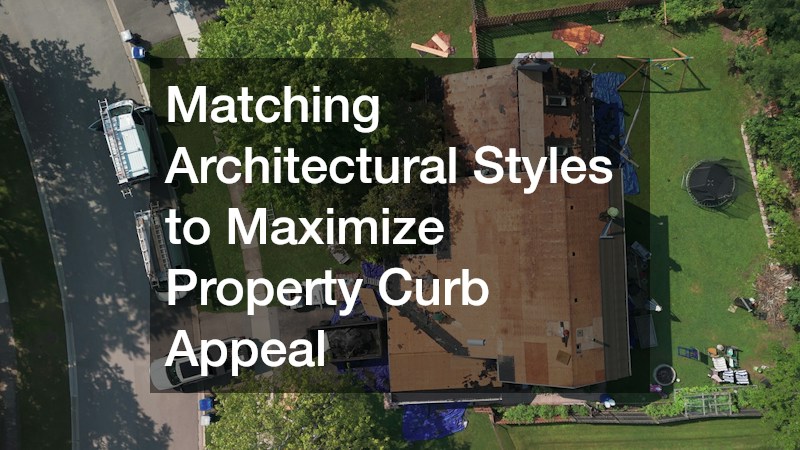
Matching Architectural Styles to Maximize Property Curb Appeal
The visual impact of your cover dramatically shapes your home’s overall aesthetic and market value. Historical styles like Victorian, Colonial, or French Country look most authentic when paired with natural slate, cedar shakes, or high-end composite alternatives. Modern, contemporary, and industrial architectural designs benefit from the clean, crisp lines of standing seam metal or flat membrane systems, creating a streamlined visual flow from wall to peak. Selecting architectural profiles that honor your home’s structural framing maintains design integrity and elevates property value.
Selecting colors and textures requires evaluating your neighborhood context, exterior cladding, and hardscaping elements. Harmonizing these design elements prevents visual clashes that can diminish your home’s exterior design. Bold, high-contrast colors draw immediate visual focus to the roofline, making it a central design feature, while neutral earth tones blend seamlessly into the surrounding landscape. Choosing high-quality materials ensures your home maintains strong visual appeal for decades, making it far more attractive to future buyers when it comes time to sell.
Exploring Sustainable, Recyclable, and Eco-Friendly Material Choices
As environmental awareness grows, sustainable material options have moved from niche alternatives to mainstream choices. Recycled rubber and polymer tiles divert waste from landfills while replicating the look of natural slate or hand-split wood shakes. Metal options excel in sustainability because they are frequently manufactured from recycled scrap steel or aluminum and remain 100% recyclable at the end of their useful lifespans.
Beyond material composition, eco-conscious homeowners look at manufacturing footprints, transportation emissions, and compatibility with green systems. Sourcing locally produced or lighter-weight materials significantly cuts down on fuel consumption during delivery.
- Solar Compatibility: Metal and rigid tile systems provide ideal foundation structures for mounting photovoltaic panels cleanly.
- Rainwater Harvesting: Inert surfaces like slate and unpainted metal produce clean runoff suitable for rainwater collection systems.
- Recyclability: Unlike asphalt, which contributes millions of tons to landfills annually, metal and clay are fully recyclable.
Choosing a sustainable material reduces your home’s carbon footprint throughout the product’s lifespan. Lowering energy demands during manufacturing and reducing transport distances further enhance these eco-friendly benefits. By selecting long-lasting, recyclable materials, you minimize landfill contributions and support environmental conservation without sacrificing structural performance or aesthetic beauty.
Reviewing Warranty Coverage, Limitations, and Manufacturer Protections
Navigating product warranties requires careful attention to the fine print, as coverage levels vary significantly between manufacturers. Standard warranties generally cover material defects for a set period, but they may exclude labor costs required to remove damaged panels and install replacements. Additionally, manufacturer terms often specify distinct duration limits for different parts of the roofing system. Non-prorated warranties provide full financial protection for the entire early life of the product, whereas prorated policies steadily reduce their payout value as the system ages.
Understanding warranty conditions helps prevent accidental voiding of your coverage down the road. Common triggers that invalidate manufacturer protections include improper attic ventilation, installing new layers over existing structures, or hiring uncertified labor. Material-only warranties focus strictly on manufacturing flaws, while workmanship warranties cover installation errors made by the installation crew. Comprehensive extended warranties combine both types of protection, covering components and labor for complete peace of mind.
Investing in extended manufacturer warranties offers broad protection across both materials and installation labor. Working with certified installers ensures all system components—from underlayment to ridge vents—comply with manufacturer specifications. Keep all records, contract documents, and maintenance receipts organized to streamline any warranty claims if issues arise.
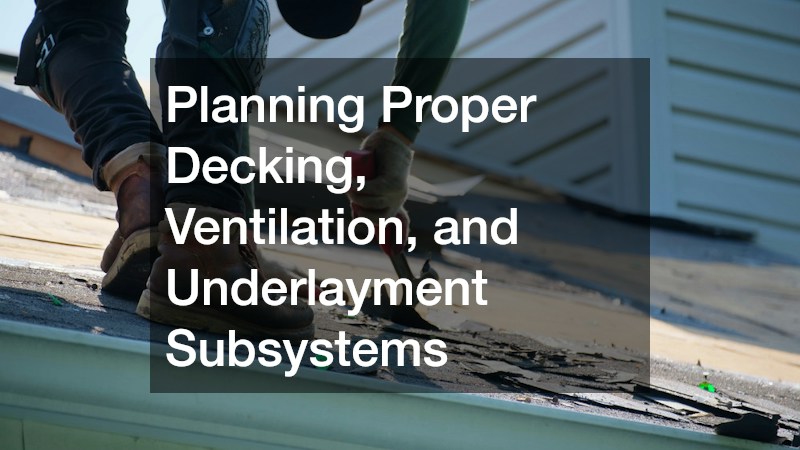
Planning Proper Decking, Ventilation, and Underlayment Subsystems
A high-performing barrier relies heavily on the quality of its underlying support structures. The wooden deck beneath your outer material must be sound, level, and free of rot or moisture damage. Replacing old decking during a complete overhaul ensures your new surface attaches securely to a stable foundation capable of handling design loads without flexing or warping over time.
High-performance underlayment materials form a crucial secondary defense line against driven rain, ice dams, and windblown moisture. Synthetic underlayments have largely replaced traditional felt paper due to their superior tear resistance, UV stability, and moisture protection. When planning your roof installation, selecting self-adhering ice and water shields for sensitive areas like valleys, eaves, and penetrations provides essential leak protection. Partnering with a licensed roofing company ensures your entire assembly—from decking to ridge vents—works together seamlessly to preserve structural integrity.
Making the right decision for your home requires balancing upfront costs, long-term durability, structural safety, and aesthetic harmony. By taking the time to analyze climate challenges, maintenance commitments, energy efficiency goals, and warranty details, you can select an option that protects your home for decades. Consulting with qualified industry professionals ensures your vision is executed cleanly, safely, and in full compliance with local building standards.