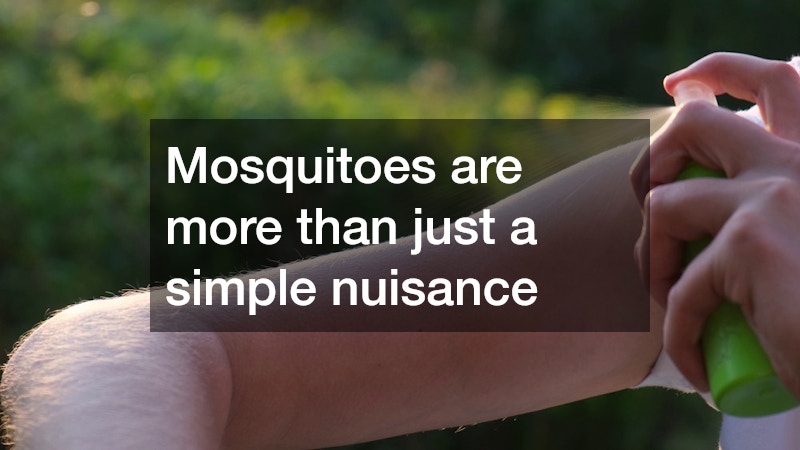
Mosquitoes are more than just a simple nuisance; they are complex creatures with specific habits and behaviors that affect our daily lives. Understanding their life cycle is crucial, as female mosquitoes lay eggs in standing water where larvae will grow. These conditions can be found in common household areas such as birdbaths, clogged gutters, and flower pots. By comprehending their breeding habits, homeowners can identify potential mosquito habitats and proactively work to eliminate these areas. Through informed mosquito control, you can drastically reduce the number of mosquitoes around your home.
Active primarily at dusk and dawn, mosquitoes use the cover of low light to search for food, which often happens to be human blood. They are equipped with sensory tools that detect carbon dioxide and body heat, pinpointing their next meal with laser-like precision.
As they search for nutrients, mosquitoes inadvertently become vectors for diseases, initializing the need for vigilant control around the home. Maintaining awareness of when and where mosquitoes are most active can assist in planning control measures effectively. It’s not just about bothering us with their buzz, but about protecting our health.
Proper mosquito control starts with the understanding that these insects are resilient and adaptable. They require different environmental conditions to thrive, varying between humid, tropical regions and temperate climates. The presence of mosquitoes makes it imperative for homeowners to devise a strategic plan that addresses these pests year-round. With the right knowledge, families can create protective barriers to keep mosquitoes at bay, using a combination of natural and chemical deterrents. Awareness and preparation are key elements in effectively managing and controlling mosquito populations at home.
The Health Risks Associated with Mosquitoes
Mosquitoes are not just irritating because of their bites; they pose significant health risks through the transmission of serious diseases. They are known carriers of the Zika virus, West Nile virus, and malaria, among others. These diseases can cause severe symptoms ranging from fever and fatigue to much more severe complications, impacting global health on a large scale. By reducing the mosquito population through effective control measures, the risk of disease transmission can be considerably lowered. Homeowners must understand the potential health impacts and focus efforts on minimizing exposure to these pests.
Adults and children alike are susceptible to mosquito-borne diseases, underscoring the importance of protective measures within the home environment. Outdoor activities, particularly during peak mosquito hours, can put family members at increased risk. Simple precautions, such as using insect repellent and wearing protective clothing, can significantly reduce the chances of bites. However, to comprehensively address the issue of mosquitoes, a more proactive approach focusing on control and prevention is necessary. It’s essential to target breeding grounds and implement measures that deter mosquitoes from lingering and breeding near the home.
Mosquito control efforts not only protect individual households but contribute to broader public health. Communities that engage in regular control activities experience a reduction in overall mosquito populations, leading to fewer disease outbreaks. Collaborating with local health departments can further enhance the effectiveness of mosquito control strategies. By keeping these pests in check, both homeowners and municipalities can create safer, healthier environments for all. In essence, investing in mosquito control is an investment in the health and well-being of the community.
Effective Mosquito Control Strategies for the Home
Implementing effective mosquito control strategies is an essential component of maintaining a healthy home environment. One of the simplest methods involves removing standing water, eliminating potential breeding grounds for these pests. Regularly changing the water in birdbaths, clearing clogged gutters, and ensuring there is no water accumulation in flower pots are effective practices. Additionally, installing screens on windows and doors helps prevent mosquitoes from entering the home. By creating physical barriers and removing habitat opportunities, homeowners can significantly reduce mosquito presence.
Beyond mosquito-proofing your home, it’s important to consider other sustainable control methods. Natural remedies, such as citronella candles and essential oil diffusers, offer additional protective layers. Introducing natural predators, like dragonflies or bats, can also contribute to controlling mosquito populations. These environmentally friendly measures provide a balanced way to manage mosquitoes without relying solely on chemical products. Encouraging biodiversity in your garden not only beautifies your home but also contributes to an effective mosquito management strategy.
When stronger interventions are required, professional mosquito control services offer advanced solutions tailored to home and landscape needs. These services typically involve targeted spraying of eco-friendly pesticides, which are designed to minimize collateral damage to beneficial insects. Regular treatment plans can ensure a continuous barrier against mosquito infestation. Homeowners can complement professional services by maintaining tidiness and using personal protectants such as lotions and sprays. Striking a balance between professional expertise and personal efforts can provide comprehensive protection against mosquitoes, ensuring a comfortable and healthy living space.